

Adding a sulky to a walk-behind mower changes the machine’s weight distribution in ways that affect performance. The operator’s weight transfers through the sulky hitch to the mower’s rear, increasing pressure on rear drive wheels — which improves traction on slopes but can cause front-wheel scalping on undulating ground as the mower’s nose rises. Operator fatigue reduction is most significant after 45–60 minutes of continuous mowing; for sessions over 1 acre, the walking-elimination benefit across 2–3 miles of mowing lines is the primary ergonomic return on the sulky investment. At 6BC Botanical Garden, sulkies are standard equipment for any walk-behind mowing task covering more than half an acre in a single session.
| Walk-Behind Mower Sulky with 10″ Pneumatic Tires |  |
Heavy-Duty Performer | Purpose: Converts push mower to stand-on sulky for faster mowing / reduced fatigue | Construction Material: Heavy-duty steel (powder-coated) | Tire Type / Wheels: Two 10″ pneumatic (vacuum) tires | VIEW LATEST PRICE | Read Our Analysis |
| Walk-Behind Lawn Mower Sulky Trailer with 10″ Tires |  |
Highly Maneuverable | Purpose: Walk-behind mower sulky / lawn trailer for standing while mowing | Construction Material: Alloy steel frame / carbon steel pedal / square tube support (anti-rust coating) | Tire Type / Wheels: Dual 10″ vacuum pneumatic tires | VIEW LATEST PRICE | Read Our Analysis |
| Walk-Behind Lawn Mower Wheel Sulky Trailer |  |
Smooth & Stable | Purpose: Walk-behind mower sulky / stand-on lawn trailer | Construction Material: Heavy-duty carbon steel / alloy steel components (anti-rust coating) | Tire Type / Wheels: 10″ vacuum pneumatic tire(s) | VIEW LATEST PRICE | Read Our Analysis |
| SW2006N Swivel Wheel Sulky |  |
Commercial-Grade | Purpose: Converts walk-behind mower to stand-on riding mower (sulky) | Construction Material: Heavy-duty steel (unfinished) | Tire Type / Wheels: Pneumatic wheels (15″ specified) | VIEW LATEST PRICE | Read Our Analysis |
| Wheels Lawn Mower Sulky with Rear Bracket (Red) |  |
Durable Design | Purpose: Rear bracket sulky to enable standing while mowing | Construction Material: High-strength carbon steel (powder-coated) | Tire Type / Wheels: Vacuum tires (size not specified) | VIEW LATEST PRICE | Read Our Analysis |
| TS2000N Two Wheel Sulky |  |
Quick-Release Option | Purpose: Converts walk-behind mower into stand-on riding mower (two-wheel sulky) | Construction Material: Heavy-duty alloy steel (black powder-coated) | Tire Type / Wheels: Pneumatic tires | VIEW LATEST PRICE | Read Our Analysis |
| MS2000N One Wheel Sulky | 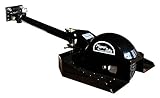 |
Compact Single-Wheel | Purpose: Converts walk-behind mower into stand-on riding mower (one-wheel sulky) | Construction Material: Heavy-duty steel | Tire Type / Wheels: One pneumatic wheel (18″ diameter listed) | VIEW LATEST PRICE | Read Our Analysis |
More Details on Our Top Picks
-
Walk-Behind Mower Sulky with 10″ Pneumatic Tires
If you tackle large lawns, this sulky’s a heavy-duty performer that boosts speed and cuts fatigue. You’ll mount the two-wheel Loveinlast sulky to your push mower using the adjustable plate and included screws, then ride on its large, porous non-slip platform. Ten-inch pneumatic tires keep pedals off the ground and smooth rough terrain, while treaded surfaces maintain stability on inclines. Built from powder-coated heavy-duty steel, it resists rust and deformation and supports up to 600 pounds. Upgraded foot pedals offer extra room, and the unit comes with a six-month warranty plus a 30-day return guarantee.
Our Take: Adding operator weight to the mower’s rear improves rear-wheel traction but can cause front-wheel scalping on rolling ground as the nose lifts. On undulating terrain, two-wheel designs with lower center of gravity minimize this effect versus single-wheel platforms.
- Purpose:Converts push mower to stand-on sulky for faster mowing / reduced fatigue
- Construction Material:Heavy-duty steel (powder-coated)
- Tire Type / Wheels:Two 10″ pneumatic (vacuum) tires
- Load Capacity / Rider Support:Maximum load capacity 600 lbs
- Adjustability / Mounting:Adjustable mounting plate with multiple holes; mounting hardware included
- Finish / Corrosion Protection:Powder-coated finish for corrosion/rust resistance
- Additional Feature:Large non-slip platform
- Additional Feature:Upgraded roomy pedals
- Additional Feature:Mounting hardware included
-
Walk-Behind Lawn Mower Sulky Trailer with 10″ Tires
Built for homeowners who need heavy-duty hauling with tight turns, this sulky is highly maneuverable for tricky lawns. You’ll get the Eastrexon Lawn Mower Wheels Sulky Trailer with dual 10″ vacuum tires, a red, vehicle-specific fit designed to carry up to 600 lbs without deforming. Its heavy-duty carbon steel pedal, alloy-steel frame, and thickened square-tube support resist rust and flex. Three 180° pivot joints with grease fittings make smooth, stable turns; a convertible reversing system with detachable pins lets you mow forward or reverse. Adjustable frame (21–26″) eases mounting. It weighs 37 lbs and includes a 2-year warranty.
Our Take: For lawns with frequent direction changes, sulky turning geometry determines whether the mower handles cleanly or fishtails. Body weight shift into turns is a technique that becomes instinctive after a few hours of use and significantly improves control.
- Purpose:Walk-behind mower sulky / lawn trailer for standing while mowing
- Construction Material:Alloy steel frame / carbon steel pedal / square tube support (anti-rust coating)
- Tire Type / Wheels:Dual 10″ vacuum pneumatic tires
- Load Capacity / Rider Support:Supports up to 600 lbs
- Adjustability / Mounting:Adjustable frame with multi-hole design (21–26″ adjustable range); detachable reverse pins
- Finish / Corrosion Protection:Full black anti-rust coating / alloy steel finish
- Additional Feature:Triple 180° pivot joints
- Additional Feature:Convertible reversing system
- Additional Feature:21–26″ adjustable frame
-
Walk-Behind Lawn Mower Wheel Sulky Trailer
For homeowners and landscapers needing heavy-duty hauling, this walk-behind mower sulky gives you smooth and stable towing. You’ll attach the Eastrexon Lawn Mower Wheel Sulky Trailer to your walk-behind mower using its directional trailer coupler and detachable reverse pins, letting you tow forward or reverse. The heavy-duty carbon steel frame with multi-hole adjustment (21–26) and two 180° pivot joints keeps turns smooth while supporting up to 600 lbs. Ten-inch vacuum pneumatic tires provide grip and shock absorption across turf. At 31 pounds with anti-rust coating and a one-year warranty, it’s a durable, low-maintenance hauling solution.
Our Take: Fatigue reduction is most significant after the 45–60 minute mark. Operators covering 1+ acres per session eliminate 2–3 miles of walking per mowing — that accumulation is the primary ergonomic argument for sulky investment on medium to large properties.
- Purpose:Walk-behind mower sulky / stand-on lawn trailer
- Construction Material:Heavy-duty carbon steel / alloy steel components (anti-rust coating)
- Tire Type / Wheels:10″ vacuum pneumatic tire(s)
- Load Capacity / Rider Support:Supports up to 600 lbs
- Adjustability / Mounting:Multi-hole adjustable frame (21–26″ range); reversible design with pins
- Finish / Corrosion Protection:Full black anti-rust coating / multi-layer corrosion protection
- Additional Feature:Dual 180° pivot joints
- Additional Feature:Reversible detachable pins
- Additional Feature:Thickened wheel/rim specs
-
SW2006N Swivel Wheel Sulky
The SW2006N swivel-wheel sulky suits pros who need rugged, commercial-grade performance on long jobs. You’ll convert your walk-behind mower into a stand-on rig with heavy-duty steel construction, tapered bearings, and pneumatic 15″ wheels that handle rough turf. Swivel wheels let you back up without jackknifing, and spring-loaded pins enable quick removal. The sulky lifts and latches for transport, fits most mowers with a 14.5″ hitch, and typically requires drilling; it’s not recommended for belt-drive models. At 79 lb it adds load and strain to the drive—factor that into compatibility and warranty considerations.
Our Take: Grease-zerked wheel bearings on commercial-grade sulkies can be maintained through multiple seasons. Budget residential designs use sealed bearings that require full replacement when worn — meaningful cost difference over equipment run at 200+ hours per year.
- Purpose:Converts walk-behind mower to stand-on riding mower (sulky)
- Construction Material:Heavy-duty steel (unfinished)
- Tire Type / Wheels:Pneumatic wheels (15″ specified)
- Load Capacity / Rider Support:(Load index 79; item weight 79 lb) — designed for rider use (capacity implied by model spec)
- Adjustability / Mounting:Universal fit; typically requires drilling on mower or hitch; quick removal pins
- Finish / Corrosion Protection:Unfinished steel (black color listed) — heavy-duty steel construction (no powder coat noted)
- Additional Feature:Lifts and latches for transport
- Additional Feature:Quick-release spring pins
- Additional Feature:Not for belt-drive mowers
-
Wheels Lawn Mower Sulky with Rear Bracket (Red)
If you want a tougher, longer‑lasting sulky that lets you stand while mowing, this rear‑bracket model fits the bill. You’ll attach the one‑piece, high‑strength carbon steel bracket to your mower tail and stand on the anti‑slip platform while vacuum tires keep you stable and prevent slipping. The square‑tube front arms resist bending better than circular tubes, promoting a flatter, more even cut without redundant tire traces. A concave top drains rain, and the mudguard blocks debris from splashing your shoes. Red powder‑coat prevents rust, extending service life. If you have questions, the seller is reachable via Amazon.
Our Take: Floating hitch connections allow the sulky to pivot independently of the mower deck, reducing the lateral force transmitted to the mower frame when tracking through turns. This reduces operator-induced steering interference during mowing.
- Purpose:Rear bracket sulky to enable standing while mowing
- Construction Material:High-strength carbon steel (powder-coated)
- Tire Type / Wheels:Vacuum tires (size not specified)
- Load Capacity / Rider Support:Designed for stable rider use (capacity implied; robust construction)
- Adjustability / Mounting:Rear bracket design (mounts to mower tail); implied bolt-on mounting
- Finish / Corrosion Protection:Red powder-coated finish for corrosion/rust prevention
- Additional Feature:Concave anti-pool platform
- Additional Feature:Integrated mudguard protection
- Additional Feature:One-piece carbon steel
-
TS2000N Two Wheel Sulky
Turn your walk-behind mower into a stand-on workhorse with the TS2000N, which gives you a quick-release option for fast removal. You’ll boost efficiency and comfort on long jobs using this heavy-duty alloy steel sulky with a black powder coat. Its 18″ arm and 5 1/4″ x 4″ hitch fit most mowers, though you may need to drill and acknowledge added drive strain. Pneumatic tires, automotive styling, and a single-pin detach make operation simple. Havener backs it with a 1-year commercial/2-year residential warranty, a 30-day voluntary return, and required signature delivery.
Our Take: Quick-release mechanisms for rapid sulky removal should be tool-free and accessible while standing — a design detail worth testing before purchasing. Removing the sulky for tight-space mowing should take under 30 seconds.
- Purpose:Converts walk-behind mower into stand-on riding mower (two-wheel sulky)
- Construction Material:Heavy-duty alloy steel (black powder-coated)
- Tire Type / Wheels:Pneumatic tires
- Load Capacity / Rider Support:Fits most mowers; designed to carry rider weight (manufacturer notes added strain; typical support)
- Adjustability / Mounting:Fits almost every mower; hitch dimensions given; single-pin quick removal
- Finish / Corrosion Protection:Black powder-coated finish
- Additional Feature:Single-pin quick removal
- Additional Feature:18″ arm length
- Additional Feature:Narrow hitch dimensions
-
MS2000N One Wheel Sulky
Ideal for solo homeowners who want to speed through yards, this compact single-wheel sulky bolts on to most mowers. You’ll convert your walk-behind into a stand-on riding mower with the patented MS2000N, then remove it quickly using a single pin. It’s a universal-fit design—some models may need drilling—and its 18″ pneumatic wheel and heavy-duty steel frame handle seasons from spring through autumn. Keep rider weight at or below 220 lbs to avoid excess strain on your mower’s drive system. Weighing 42 lb with an 18″ tire and 8″ rim, it ships signature required and carries manufacturer support.
Our Take: Single-wheel sulkies are lightest and most maneuverable — appropriate for smaller walk-behind mowers where a heavier two-wheel design would stress the hitch mount or exceed the mower’s rated sulky capacity.
- Purpose:Converts walk-behind mower into stand-on riding mower (one-wheel sulky)
- Construction Material:Heavy-duty steel
- Tire Type / Wheels:One pneumatic wheel (18″ diameter listed)
- Load Capacity / Rider Support:User suggested rider weight 220 lbs and under (universal fit; supports rider use)
- Adjustability / Mounting:Universal fit; drilling may be required; single-pin quick removal
- Finish / Corrosion Protection:(Finish not specifically detailed) Heavy-duty steel construction (manufacturer warranty/support noted)
- Additional Feature:Patented one-wheel design
- Additional Feature:220 lb suggested rider
- Additional Feature:18″ wheel diameter
Factors to Consider When Choosing a Sulky for Walk-Behind Mower Ideas
When picking a sulky for your walk-behind mower, you’ll want to check load capacity limits and choose a tire type that suits your terrain. Consider frame material durability and whether the mounting compatibility range fits your mower model. Also weigh maneuverability features you need, like steering assist or swivel wheels, to make sure it handles the way you do.
Load Capacity Limits
Because your safety and the mower’s performance depend on it, check the sulky’s maximum load capacity and choose one that comfortably exceeds the combined weight of you plus any tools or debris you’ll carry. Many two-wheel models rate around 600 lb, but ratings vary—always confirm the number. Respect the rated capacity: overloading can deform the frame, reduce maneuverability, and strain the mower’s drive. Allow a safety margin—pick a sulky rated 25–30% above your expected maximum to cover dynamic loads on slopes or rough ground. Match capacity to construction: one-wheel and two-wheel designs and different steel or alloy frames offer differing tolerances. Proper capacity preserves braking, turning stability, tire wear, and overall longevity.
Tire Type Choice
If you’ll be covering rough ground or slopes, pick tires that balance cushioning, traction, and durability to keep rides comfortable and control predictable. Pneumatic (air-filled) tires give the best shock absorption, cutting vibration and fatigue, but you’ll need to check inflation and inspect for punctures regularly. Larger diameter tires (about 10–15 inches) raise the platform, improving clearance so pedals and chassis clear bumps. Treaded patterns boost grip on inclines and soft turf, reducing slip and improving handling. If you want fewer maintenance worries, solid or foam-filled options almost eliminate flats but sacrifice some cushioning. Look for high-elasticity, wear-resistant compounds and thicker construction when you mow abrasive surfaces to extend tire life and preserve performance.
Frame Material Durability
Good tire selection will only get you so far if the sulky’s frame can’t handle the loads and terrain you throw at it. You should pick heavy-duty or alloy steel frames with thickened square-tube or tubular construction to resist bending and carry higher loads. Check rated load capacity against your weight plus gear; aim for frames rated 600 lbs or more for a safety margin. Inspect high-stress areas for reinforced joints, gussets, welded seams, and thick-wall tubing at the hitch and pivot arms to reduce fatigue and cracking. Prefer finishes like powder-coating or multi-layer anti-rust treatments for wet or humid use. Finally, choose frames with grease fittings or accessible pivots so you can lubricate and maintain moving parts to prolong service life.
Mounting Compatibility Range
When matching a sulky to your walk-behind mower, prioritize mounting compatibility so the hitch, height, and attachment points line up without stress or modification. Measure the distance between your mower’s hitch attachment points and choose a sulky with an adjustable mounting range covering at least a 5-inch span. Verify the mounting plate hole pattern, hitch width, and vertical clearance so the coupler aligns with your mower’s tail/throat and allows full movement. Decide whether you’ll accept drilling into the deck or prefer bolt-on mounting based on deck strength and willingness to modify. Prefer multi-hole or telescoping arms offering roughly a 21–26 inch adjustable range for proper platform height. Finally, confirm pins, bolts, or couplers match pitch/backspacing and are load-rated to prevent failure.
Maneuverability Features Needed
After checking mounting fit and height, focus on maneuverability features that keep the sulky responsive and stable. You’ll want swivel or multi-joint pivot arms that let the platform rotate at least 180° to smooth turns and cut jackknifing. Pick independent wheel suspension or 9–10 inch pneumatic tires so bumps don’t lift pedals or the platform. Adjustable mounting plates and a multi-hole frame range (roughly 21–26 inches) let you optimize wheel placement and turning radius for different mower widths. Choose an arm length around 15–18 inches to balance leverage for crisp turning without overloading the drive system. Lastly, look for grease fittings or sealed bearings on pivots to keep articulation smooth and steering easy over time.
Comfort And Safety
Because you’ll be standing for extended periods and negotiating uneven yards, prioritize sulkies that keep you secure and comfortable: choose a large, porous non-slip foot platform with a concave drainage design to prevent slipping and water pooling, confirm the pedals and platform offer ample surface area and spacing for a natural stance, and verify the sulky’s load capacity comfortably exceeds your weight plus gear to avoid deformation and balance shifts on turns or slopes. Also favor pneumatic, treaded tires and enough ground clearance so the platform and pedals clear bumps and reduce trip hazards. Finally, pick models with secure, adjustable mounting and quick-release pins or latches so the sulky stays firmly attached in use yet detaches quickly for transport or storage.
Warranty And Returns
If you’re investing in a sulky, check the warranty length and return terms before you buy so you won’t be surprised if something fails or doesn’t fit your needs. Look for manufacturer coverage—commonly 6 months to 2 years—and confirm it covers defects in materials and workmanship. Verify whether coverage differs for commercial versus residential use, since many warranties limit commercial claims. Confirm actions that void the warranty (drilling, modifications, overloading) and whether wear items like tires are excluded. Review the return window and policy terms—voluntary returns are typically 30 days—and note who pays return shipping and any restocking fees. Finally, check remedies (repair, replacement, refund) and whether the warranty requires registration or proof of purchase to make a claim.
Expert Selection Notes from 6BC
For properties over 0.5 acre mowed with a walk-behind, a sulky pays back in reduced operator fatigue within the first season. Floating hitch reduces steering interference through turns. Verify mower’s rated sulky load before selecting — exceeding this limit causes hitch wear and potential failure.
For wheel type selection and weight capacity details in sulky comparison, see our sulky selection guide. Full framework: lawn care guide.