

Plastic planters have an undeserved reputation as the cheap, temporary option. At 6BC Botanical Garden, we regularly use high-quality plastic containers for propagation, nursery growing, and practical outdoor planting — because for specific applications, plastic is genuinely the right material choice. UV-stabilized polypropylene handles outdoor exposure well, is significantly lighter than terracotta or concrete, and doesn’t crack in freeze-thaw cycles. Clear plastic nursery pots let you monitor root development without disturbing the growing medium.
The options here range from clear nursery pots for propagation to decorative resin railing boxes. Here’s our honest assessment of where plastic planters have genuine advantages over alternatives.
| FUIJOL Clear Nursery Pots 20-Pack (4-7 Inch) |  |
Best for Propagation | Material: Plastic | Drainage: Drainage holes | Intended Use: Indoor and outdoor planting (succulents, orchids, seedlings, medium foliage) | VIEW LATEST PRICE | Read Our Analysis |
| TDHDIKE 10-Pack Mini Plastic Indoor Flower Planters |  |
Colorful Tabletop Pick | Material: Polypropylene (PP) plastic | Drainage: Drain holes present | Intended Use: Indoor & outdoor, small/mini plants and seedlings | VIEW LATEST PRICE | Read Our Analysis |
| OJYUDD 24-Pack Multi-Color Mini Square Plant Pots |  |
Best For Small Displays | Material: Plastic | Drainage: Small drainage holes | Intended Use: Indoor & outdoor, small plants, succulents, seedlings | VIEW LATEST PRICE | Read Our Analysis |
| Utopia Home White Indoor Plastic Plant Pots (Set of 5) |  |
Sleek Indoor Classic | Material: Reinforced PP plastic | Drainage: Drainage holes with plugs / smart drainage system | Intended Use: Indoor (also compatible with outdoor), real or artificial plants | VIEW LATEST PRICE | Read Our Analysis |
| JERIA 16-Pack 4″ Plastic Seedling Nursery Pots | 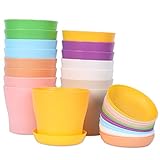 |
Seed-Starting Essential | Material: Resin plastic (thickened) | Drainage: Small drainage holes | Intended Use: Indoor and outdoor gardening, seedlings | VIEW LATEST PRICE | Read Our Analysis |
| Bloomers 24″ White Resin Railing Planter |  |
Best For Railings | Material: Polyethylene (HDPE) plastic | Drainage: Drainage holes | Intended Use: Outdoor (balcony/deck), suitable for flowers, herbs, vegetables | VIEW LATEST PRICE | Read Our Analysis |
| LOCONHA 17″ Window Box Planters (7-Pack) |  |
Windowsill Garden Favorite | Material: Recyclable plastic | Drainage: Drainage hole(s)/tray at bottom | Intended Use: Indoor & outdoor, windowsill, balcony, herbs, flowers, vegetables | VIEW LATEST PRICE | Read Our Analysis |
More Details on Our Top Picks
-
FUIJOL Clear Nursery Pots 20-Pack (4-7 Inch)
If you’re propagating cuttings, these clear pots let you monitor roots without disturbing the medium. You’ll get a 20-pack of FUIJOL clear plastic nursery pots—five each of 4″, 5″, 6″, and 7″—with matching saucers to catch runoff. Transparent walls let you spot root health; drainage holes improve aeration and cut waterlogging risk. They’re lightweight, unfinished plastic, suitable for succulents, orchids, herbs, seedlings, and medium foliage, indoors or out. The mixed sizes make transplanting and propagation simple, and the saucers protect surfaces. Check manufacturer warranty details if you want extra assurance.
Our Take: Clear nursery pots are a genuinely useful propagation tool — monitoring root development without disturbing the growing medium removes the guesswork from propagation timing. At 4-7 inch sizes this 20-pack suits establishing cuttings before potting up. A practical supply for anyone who propagates regularly.
- Material:Plastic
- Drainage:Drainage holes
- Intended Use:Indoor and outdoor planting (succulents, orchids, seedlings, medium foliage)
- Includes Tray/Saucer:Matching saucers included
- Shape/Form:Round
- Quantity/Unit Count:20 pots (mixed sizes: 5 each of 4″,5″,6″,7″)
- Additional Feature:Transparent root observation
- Additional Feature:Mixed four-size variety
- Additional Feature:Matching saucers included
-
TDHDIKE 10-Pack Mini Plastic Indoor Flower Planters
Perfect for small-space gardeners, this colorful tabletop pick brings ten compact, matching pots and trays to your home. You’ll get TDHDIKE’s 10-pack of 3.8-inch cylindrical polypropylene planters—two each of pink, white, purple, blue, and green—with ten matching trays. They’re lightweight, durable, nontoxic, colorfast, and have an open-caliber design for easy planting. Built-in drain holes preserve soil drainage and ventilation to prevent root rot, and the 196.3-cubic-inch capacity suits seedlings, succulents, and small houseplants. You can use them indoors or outdoors on tabletops, desks, and nursery benches; a manufacturer warranty is available—see TOPODO for details.
Our Take: A vibrant tabletop display that suits windowsills, desks, or balcony tables where small-scale visual impact matters. Ten-pack value means low commitment per pot — good for seasonal rotation or trying different plant arrangements. Compact succulents, small cacti, or individual herb starts work best at this scale.
- Material:Polypropylene (PP) plastic
- Drainage:Drain holes present
- Intended Use:Indoor & outdoor, small/mini plants and seedlings
- Includes Tray/Saucer:10 matching trays included
- Shape/Form:Cylindrical (round)
- Quantity/Unit Count:10 pots with trays
- Additional Feature:Multicolor modern palette
- Additional Feature:Polypropylene (PP) plastic
- Additional Feature:3.8″ compact diameter
-
OJYUDD 24-Pack Multi-Color Mini Square Plant Pots
Bright, colorful mini squares make a great choice for small displays on windowsills or desks. You’ll get 24 sturdy, lightweight plastic pots—paired with matching square pallets—to corral spills and keep surfaces tidy. Each pot measures about 2.95 inches tall with a 2.76-inch mouth, perfect for succulents, seedlings, small ferns or decorative arrangements. Drainage holes and ventilation prevent soggy roots while the reusable, low-breakage construction suits indoor or outdoor use. The multicolor set (white, green, yellow, pink, purple, blue) includes four pairs of each hue, making it easy to create coordinated groupings for home, office, or garden accents.
Our Take: The 24-pack quantity suits propagation, seedling staging, or creating a repeated color-pop display. Mini square pots are the practical choice for organizing seed starting in a tray — consistent size means uniform spacing and easier transplanting. The multicolor format works in playful, informal plant displays.
- Material:Plastic
- Drainage:Small drainage holes
- Intended Use:Indoor & outdoor, small plants, succulents, seedlings
- Includes Tray/Saucer:Paired trays/pallets included
- Shape/Form:Square
- Quantity/Unit Count:24 pieces (pots paired with pallets)
- Additional Feature:Square space-saving design
- Additional Feature:24-piece multicolored set
- Additional Feature:2.95″ low-profile height
-
Utopia Home White Indoor Plastic Plant Pots (Set of 5)
Choose these Utopia Home pots when you want a sleek indoor classic that’s fuss-free and durable. You get a set of five round white planters in graduated sizes (7″, 6.6″, 6″, 5.3″, 4.8″) with matching saucers, ideal for real or faux plants on tables or desks. Reinforced PP plastic offers a polished look, frost and rot resistance, and light portability. A patent-pending smart drainage system with holes and plugs helps prevent overwatering and promotes healthy roots. Compact, giftable, and easy to clean, they suit offices, rooms, and seasonal gifting occasions while carrying Utopia Home’s UH0884 model details.
Our Take: White plastic is the neutral canvas of indoor plant display — it reads cleanly, coordinates with any interior color scheme, and doesn’t compete visually with the plant. The set of five enables consistent displays across multiple surfaces. For moisture-loving tropical plants, plastic’s non-porous surface retains moisture longer than terracotta — an advantage for ferns, calatheas, and peace lilies.
- Material:Reinforced PP plastic
- Drainage:Drainage holes with plugs / smart drainage system
- Intended Use:Indoor (also compatible with outdoor), real or artificial plants
- Includes Tray/Saucer:Matching saucers/trays included
- Shape/Form:Round
- Quantity/Unit Count:Set of 5 pots
- Additional Feature:Reinforced polished finish
- Additional Feature:Smart drainage plugs
- Additional Feature:Five graduated sizes
-
JERIA 16-Pack 4″ Plastic Seedling Nursery Pots
If you’re starting dozens of seedlings, these 4″ JERIA pots make seed-starting essential work easy. You get 16 lightweight, flexible pots plus a pallet so you can organize trays without fuss. Thickened resin resists sun, won’t rot, and won’t absorb water, so they last through seasons. The compact 4-inch size fits tight indoor spaces and balconies while small drainage holes ensure proper soil drainage and aeration for healthy roots. Choose from eight vibrant colors to match your decor or group plants by variety. They’re practical, portable, and designed specifically for reliable seedling growth.
Our Take: The 4-inch nursery pot is the workhorse of seed starting and propagation. Sixteen in a pack provides the quantity needed for a serious seed-starting season. Plastic at this size retains moisture well for germinating seeds without the rapid drying that terracotta produces. Transfer seedlings to larger containers once roots reach the drainage hole.
- Material:Resin plastic (thickened)
- Drainage:Small drainage holes
- Intended Use:Indoor and outdoor gardening, seedlings
- Includes Tray/Saucer:Includes pallet (tray)
- Shape/Form:Round (standard nursery pot)
- Quantity/Unit Count:16 pots
- Additional Feature:Thickened resin construction
- Additional Feature:Sunlight-resistant plastic
- Additional Feature:Available in 8 colors
-
Bloomers 24″ White Resin Railing Planter
The Bloomers 24″ White Resin Railing Planter fits snugly on most balcony and deck rails, making it ideal for railing gardens. You’ll appreciate its 24″ planting area, HDPE construction, and white floral-oval styling that resists cracking in extreme temperatures. It fits wood or metal rails 1.25″–3.875″ wide, includes two stabilizers, and sits flat on a 6″ bottom or can be tied down for extra security. With built-in drainage holes and a 923.93 fl oz capacity, it supports flowers, herbs, and veggies while keeping roots aerated. It’s lightweight, washable, BPA-free, and safe for edibles.
Our Take: Resin at 24 inches is the practical railing planter material choice. It achieves the visual scale needed for an impactful railing display without the weight penalty that wood or metal alternatives carry. Weatherproof across multiple outdoor seasons without fading or cracking. The right choice for balcony or deck railing planting where weight and durability both matter.
- Material:Polyethylene (HDPE) plastic
- Drainage:Drainage holes
- Intended Use:Outdoor (balcony/deck), suitable for flowers, herbs, vegetables
- Includes Tray/Saucer:Includes stabilizers (planter has features; tray not primary but drainage included)
- Shape/Form:Oval railing planter
- Quantity/Unit Count:1 railing planter
- Additional Feature:Fits 1.25″-3.875″ rails
- Additional Feature:Includes stabilizer fasteners
- Additional Feature:24″ wide planting area
-
LOCONHA 17″ Window Box Planters (7-Pack)
LOCONHA’s 17″ set is perfect for busy plant lovers who want a windowsill garden favorite with low fuss. You get seven rectangular planters with saucers made from high-quality recyclable plastic that’s lightweight yet sturdy. Each 16.6 x 7 x 5.9-inch pot resists sun, rain, and snow without discoloring and cleans up easily. Bottom drainage holes plus attached saucers and two bottom water inlets let you water directly without soaking your sill. They’re window-mount compatible and suit miniature roses, herbs, tulips, veggies, and more. At about 3 pounds per set, LOCONHA balances durability, function, and simple style.
Our Take: The 17-inch size suits standard single window widths well. A 7-pack provides the quantity needed to outfit multiple windows consistently in one purchase. Window box planters in consistent materials and colors create a coordinated exterior look that random individual window plantings miss. A practical bulk purchase for houses with multiple windows to plant.
- Material:Recyclable plastic
- Drainage:Drainage hole(s)/tray at bottom
- Intended Use:Indoor & outdoor, windowsill, balcony, herbs, flowers, vegetables
- Includes Tray/Saucer:Attached saucer / saucer set included
- Shape/Form:Rectangular window box
- Quantity/Unit Count:7 pieces (planter pack)
- Additional Feature:Two bottom water inlets
- Additional Feature:Window-mount compatible
- Additional Feature:Rectangular classic style
Factors to Consider When Choosing Plastic Planters Ideas
Plastic planters span a wide quality range — from thin, brittle nursery pots that degrade within a season outdoors to UV-stabilized, thick-walled containers that perform reliably for years. At 6BC, we evaluate plastic planters primarily on material quality and UV resistance, since these determine long-term outdoor performance.
Size And Fit
Because roots need room to spread, pick a planter that’s at least 2–3 inches wider than your plant’s current root ball and deep enough for its root type—3–6 inches for shallow-rooted succulents and herbs, 8+ inches for deeper-rooted species—while also matching the space, mounting limits, and load-bearing capacity of your shelf or railing. Measure available spots—windowsills, railings, shelves, floor—and choose dimensions that leave clearance for watering and airflow. Estimate filled weight (wet soil ≈ 75–100 lb/ft³) plus plant and water to avoid overloaded supports. For seedlings and frequent repotting, keep modular sizes: 2–4 inch starters and 4–8 inch sizes for potting up. Picking the right diameter, depth, and weight rating prevents stress, tipping, and cramped roots.
Drainage And Aeration
If you want healthy roots and fewer watering headaches, prioritize planters that let excess water escape and air reach the root zone. Check that drainage holes are adequately sized and spaced—too few or too small holes cause waterlogging and root rot. Prefer designs that pair bottom drainage with saucers or trays so runoff’s caught without blocking aeration. Look for mesh inserts or raised inner ridges that lift the root ball above the drainage plane to keep roots from sitting in pooled water and improve airflow. For seed-starting and propagation, use smaller pots with multiple drainage points and thin walls to speed drying and oxygenation. Since plastic holds moisture longer than porous materials, add coarse substrate or perlite to boost aeration when needed.
Material Durability
Although plastic planters can look similar at a glance, their formulation and construction determine how long they’ll actually last outdoors. You should pick high-density plastics like HDPE or reinforced polypropylene because they resist UV cracking and temperature swings far better than thin, brittle alternatives. Seek frost- and rot-resistant formulations or additives—UV stabilizers and antioxidants—to prevent untreated plastics from becoming brittle within a few seasons. Favor thicker-walled or double-layered pots; 2–4 mm walls offer noticeably better impact resistance and less warping for medium to large sizes. Note how rims, bases, and drainage areas are reinforced to avoid stress fractures around holes. Finally, balance rigidity and flexibility: rigid, heavier resins resist tipping, while flexible ones tolerate stress without cracking, though they may sag under heavy soil.
Weight And Portability
When moving planters around, weight and portability will shape what you buy and how you use it: tiny pots weigh only ounces and are effortless to reposition, while a filled 12‑inch pot can easily tip the scales at 10–30+ pounds and long troughs may exceed 50 pounds when saturated. Choose lightweight plastics for frequent rearranging; mini pots and railing boxes often weigh only ounces to a few pounds and are easy to handle. Look at size and shape—2–6 inch diameters are handheld, while wide or long planters may need two people or built‑in handles. Avoid heavy fillers and opt for lightweight soil mixes, especially on balconies, and always verify combined planted weight won’t exceed structural limits.
Style And Color
Because your planters are part of the room as much as your furniture, pick styles and colors that reinforce the look you want—neutrals like white or clear suit minimalist interiors, bright hues add playful accents, and multicolored groupings bring energy to patios. Match planter shape to location: narrow rectangular or railing pots for windowsills, small square or round ones for desktops, and taller cylindrical or rectangular pieces for floor displays. Think finish and texture—glossy looks sleek indoors while matte or textured finishes conceal dirt and weathering outdoors. Group pots with varying diameters and heights to create depth and balance. Choose removable saucers or integrated trays in matching or contrasting colors to protect surfaces and keep the look cohesive.
Plant Compatibility
If you want your plants to thrive, match the planter to their root habits and moisture needs: give deep, wide pots to shrubs and taprooted species, shallow broad containers to fibrous-rooted plants and succulents, plenty of drainage for cacti and drought-tolerant types, and transparent or breathable plastic for seedlings, orchids, or propagation where you’ll want to check roots. Choose pot size for mature root volume—large perennials need roomy, deep containers; small succulents and seedlings do fine in 2–4″ pots. Match depth to root type so taproots have vertical space while fibrous systems spread horizontally. Ensure drainage suits watering habits: succulents need fast-draining shallow pots, moisture-lovers prefer less rapid runoff. For top-heavy specimens, pick wider-based or heavier plastic planters to prevent tipping.
Maintenance Requirements
Though plastic planters are low-maintenance compared with some materials, you’ll still need a routine: clean pots every 1–3 months, keep drainage holes clear after watering or at least weekly, sanitize saucers monthly, watch for UV damage and replace brittle pots, and re-pot or top-dress every 6–18 months to refresh soil and prevent compaction. You should wash containers with mild soap and water to remove algae, mineral buildup, and pests. Inspect and clear drainage to avoid clogging and root rot. Soak trays in a 10% bleach solution for 10 minutes when sanitizing, then rinse thoroughly. Monitor thin plastics for chalking, cracks, or loss of flexibility; rotate or replace affected planters after 1–3 years outdoors to protect plant health.
Budget And Value
When you shop for plastic planters, set a clear price range and weigh upfront cost against durability and extras so you don’t pay for features you don’t need. Decide whether you want under $10, $10–$25, or $25–$50 options to quickly narrow choices. For multiples, divide the total price by unit count to compare cost-per-piece and spot true value. Factor long-term value: thicker, UV-resistant plastics cost more but cut replacement frequency. Include saucers, drainage trays, stabilizers, and mounting hardware in your budget—bundles often save money versus separate purchases. Finally, match cost to plant needs: thin, cheap pots suit annuals or seedlings, while larger, food-safe, weather-resistant containers justify higher prices for edibles and long-term plantings.
When to Choose Plastic Planters (and When Not To)
Plastic planters have specific applications where they’re the right choice and others where a different material performs better. Here’s how to make the decision.
When plastic is the right choice: Propagation and seed starting (clear or standard nursery pots), lightweight outdoor railing planters (resin), moisture-retaining containers for tropical plants indoors, high-quantity purchases where cost per unit matters, and any application requiring frequent repotting.
When plastic isn’t the right choice: Mediterranean herb growing where breathable soil is essential (use terracotta), high-visibility formal garden settings where material quality is part of the aesthetic (use stone or ceramic), and permanent outdoor installations in locations where you’ll see the containers closely for years (use weathering materials that improve over time).
UV degradation is the key variable. Cheap plastic planters become brittle, discolored, and crack within 1-2 seasons outdoors in direct sun. Quality UV-stabilized polypropylene or resin maintains flexibility and color for 5+ years. If an outdoor plastic planter is well-priced but not specifically labeled UV-stabilized, treat it as a 1-2 season investment.
The weight advantage matters. On high-rise balconies, rooftops, or structures with load limits, plastic’s weight advantage over terracotta and concrete is meaningful. A plastic planter in a window box holds soil that weighs 10-15 lbs; the same size in concrete weighs 25-30 lbs before soil. This difference matters for railing bracket ratings and floor load calculations.
For a broader look at choosing practical and low-maintenance container formats, our container gardening guide covers the full decision framework across all planter types. For an even lower-maintenance approach, our guide to our guide to self-watering planters with built-in reservoirs for consistent moisture useful.