

Plastic in composting occupies two very different performance roles depending on where it’s used. For outdoor bin bodies — the large structural containers that hold active composting piles — high-density polyethylene (HDPE) plastic performs well: UV-stabilized, impact-resistant at outdoor temperatures, and indifferent to moisture. For kitchen countertop collection bins that hold warm, moist, acidic food material against a hard surface at room temperature, plastic is the inferior option to stainless — it absorbs organic acids and odorant compounds progressively. At 6BC Botanical Garden, choosing plastic or stainless based on where in the composting system the bin operates produces consistently better results than treating plastic as a universal substitute.
At 6BC Botanical Garden, we use plastic outdoor bins for high-volume composting where cost-effectiveness matters more than aesthetics, and we recommend stainless countertop bins over plastic ones for kitchen use (stainless doesn’t absorb odors over time). That said, there are good plastic options in both categories — here’s our honest assessment of where each one fits.
| LALASTAR 3L Countertop Compost Bin with Lid | 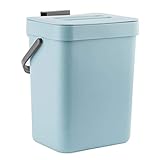 |
Compact Countertop Pick | Capacity: 3 L (0.8 gal) | Material: Plastic | Intended Location / Use: Countertop / indoor (kitchen, RV, office) | VIEW LATEST PRICE | Read Our Analysis |
| Joie Countertop Compost Bin Indoor Compost Bins White Plastic |  |
Simple & Sleek | Capacity: 2.7 L | Material: Plastic | Intended Location / Use: Countertop / indoor | VIEW LATEST PRICE | Read Our Analysis |
| Geobin 246 Gallon Expandable Outdoor Compost Bin | 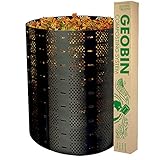 |
Heavy-Duty Yard Bin | Capacity: ~246 gallons (expandable outdoor) | Material: High-density polyethylene (plastic) | Intended Location / Use: Outdoor / backyard composting | VIEW LATEST PRICE | Read Our Analysis |
| OXO Good Grips Easy-Clean Compost Bin Charcoal – 0.75 GAL | 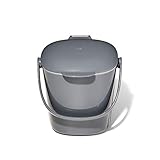 |
Easy-Clean Mini | Capacity: 0.75 gal (≈2.8 L) | Material: Plastic | Intended Location / Use: Countertop / indoor | VIEW LATEST PRICE | Read Our Analysis |
| 2.6 Gallon Hanging Compost Bin for Kitchen Countertop | 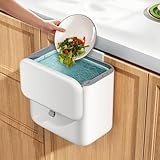 |
Best For Hanging | Capacity: 2.6 gallons | Material: ABS plastic | Intended Location / Use: Countertop / under-sink / hangable indoor | VIEW LATEST PRICE | Read Our Analysis |
| Goplus 80-Gallon Outdoor Compost Bin with Lid |  |
Large-Capacity Workhorse | Capacity: 80 gallons | Material: Thickened PP (polypropylene plastic) | Intended Location / Use: Outdoor composting | VIEW LATEST PRICE | Read Our Analysis |
| Perfnique 1.3 Gallon Countertop Compost Bin (Cream) |  |
Odor-Control Stylish | Capacity: 1.3 gallons | Material: Metal outer + plastic inner (inner pail is plastic) | Intended Location / Use: Countertop / indoor kitchen | VIEW LATEST PRICE | Read Our Analysis |
More Details on Our Top Picks
-
LALASTAR 3L Countertop Compost Bin with Lid
If you live in a small space, this compact countertop pick fits neatly on crowded counters and in tiny kitchens. You’ll appreciate the LALASTAR 3L compost bin’s 0.8-gallon capacity, painted blue finish, and lightweight yet sturdy plastic build. Lift the manual lid to drop in fruit scraps, vegetable peelings, or pet waste, then hang it on cabinet doors or mount it with the adhesive pad for hands-free use. The odor-blocking lid and removable design make emptying and cleaning simple. It’s versatile enough for RVs, dorms, bathrooms, and offices, and scores highly in customer reviews.
Our Take: A functional countertop collector with a genuinely clever hangable design for kitchens where counter space is at a premium. The plastic will absorb odors over time in a way stainless doesn’t — a limitation to know upfront. Best for light composters who empty every 2–3 days and prioritize the compact footprint and hanging option over long-term odor management.
- Capacity:3 L (0.8 gal)
- Material:Plastic
- Intended Location / Use:Countertop / indoor (kitchen, RV, office)
- Lid / Closure:Lid (manual-lift) for odor/fly control
- Portability / Mounting:Handle for carrying; hangable on cabinet door; wall-mountable with adhesive
- Odor Control:Odor-blocking lid design (prevents flies)
- Additional Feature:Hangable on cabinet
- Additional Feature:Removable lid for cleaning
- Additional Feature:Rectangular compact footprint
-
Joie Countertop Compost Bin Indoor Compost Bins White Plastic
Perfect for apartment cooks or anyone with limited counter space, the Joie Countertop Compost Bin pairs simple & sleek styling with a compact 2.7‑liter capacity. You’ll appreciate its white plastic, square design that measures 7.5″ x 6.5″ x 5.5″ and tucks neatly on a busy counter. It’s made by Joie (model 37600, UPC 067742376008, ASIN B08FRPB2MW) and is intended for indoor countertop composting. You can store food scraps temporarily before transferring them outdoors or to a larger system. Check the manufacturer warranty link for details; Amazon’s 30‑day return guarantee applies. Average rating: 3.9 from 64 reviews.
Our Take: A straightforward, no-frills countertop collection bin. At this price point the trade-offs are expected: plastic construction that will eventually absorb odors, basic lid rather than a charcoal filter, limited capacity. Works fine for very light composting — coffee grounds and tea bags from a single person. Empty frequently.
- Capacity:2.7 L
- Material:Plastic
- Intended Location / Use:Countertop / indoor
- Lid / Closure:Lid (compact countertop design)
- Portability / Mounting:Compact, easy to store (portable countertop)
- Odor Control:Lidded design intended for indoor compost odor control
- Additional Feature:Square compact shape
- Additional Feature:Manufacturer warranty available
- Additional Feature:Easy countertop storage
-
Geobin 246 Gallon Expandable Outdoor Compost Bin
For gardeners who need capacity without fuss, the Geobin 246-gallon expandable composter is a heavy-duty yard bin you’ll rely on. You get a cylindrical, black bin made in the USA from high-density polyethylene that won’t degrade or leach. It expands to about 4 feet (roughly 246 gallons) to handle big seasonal volumes, yet ships light at 7 pounds and assembles easily with included connection keys. Maximum ventilation speeds decomposition, and the inert material recycles yard and kitchen scraps cleanly. Backed by Presto Products and a manufacturer’s defect warranty, it’s a straightforward, durable backyard compost solution.
Our Take: Where plastic outdoor bins make the most sense. At 246 gallons the Geobin processes volumes that would be impractical in any other material at this price. The expandable design is genuinely useful — resize it as your material volume changes seasonally. UV-stabilized plastic handles outdoor exposure well. Our recommendation for high-volume composting where a tumbler’s capacity isn’t sufficient.
- Capacity:~246 gallons (expandable outdoor)
- Material:High-density polyethylene (plastic)
- Intended Location / Use:Outdoor / backyard composting
- Lid / Closure:Top (expandable bin with cover) — enclosed/top closure
- Portability / Mounting:Lightweight (7 lb) and easy assembly; portable expandable design for outdoor placement
- Odor Control:Ventilated design promotes decomposition (controls smell outdoors)
- Additional Feature:Expandable cylindrical design
- Additional Feature:High-density polyethylene
- Additional Feature:Connection keys included
-
OXO Good Grips Easy-Clean Compost Bin Charcoal – 0.75 GAL
Home cooks who generate small daily scraps will appreciate this easy-clean mini compost bin. You’ll find the 0.75-gallon OXO Good Grips model fits neatly on a countertop, making everyday compost collection simple. The flip-up lid lets you toss scraps quickly; flip it down to lock in odors. Smooth interior walls and a contoured bottom prevent buildup and speed rinsing, while the removable lid makes emptying effortless. A rotating handle lets you carry the bin to your outdoor composter without spills. It’s compact, practical, and designed to keep kitchen cleanup tidy and odor-free.
Our Take: OXO’s lid design is the best in this plastic category — one-handed operation, locks shut, consistently reliable. At 0.75 gallons it’s suited to single-person or light composting use. The charcoal filter is a meaningful upgrade over basic plastic bins. Rinse it after each empty and it performs well long-term.
- Capacity:0.75 gal (≈2.8 L)
- Material:Plastic
- Intended Location / Use:Countertop / indoor
- Lid / Closure:Flip-up / flip-down lid (locks in odors)
- Portability / Mounting:Rotating handle for transport to outdoor composter
- Odor Control:Lid locks in odors (easy-clean interior)
- Additional Feature:Flip-up filling lid
- Additional Feature:Flip-down odor lock
- Additional Feature:Smooth interior walls
-
2.6 Gallon Hanging Compost Bin for Kitchen Countertop
Keep food-scrap tidy with a compact, 2.6-gallon bin that’s ideal for hanging on cabinet doors. You’ll appreciate the Gleynest Compost Bin Kitchen for Countertop or Under Sink: a polished white, rectangular ABS pail (10.2×6.3×9.4 inches) that’s lightweight at 1.3 pounds. Mount it with the included hook for doors under 1″ thick, use the adhesive hook on any flat surface, or set it freestanding. The lidded design limits odors with flip-up or slide-down openings; a retaining ring keeps bags secure. You can wipe it clean, use it in many rooms, and skip carbon filters.
Our Take: Useful for genuinely tight kitchens where mounting on a cabinet door reclaims meaningful counter space. No charcoal filter means odor management depends on emptying frequency — every 2–3 days maximum. The 2.6-gallon capacity is more than most people need for a weekly emptying cycle, which ironically means scraps sit longer and smell more. If you choose this one, commit to the frequent emptying routine.
- Capacity:2.6 gallons
- Material:ABS plastic
- Intended Location / Use:Countertop / under-sink / hangable indoor
- Lid / Closure:Lidded (flip up or slide down)
- Portability / Mounting:Hanging hook and adhesive hook included; freestanding option
- Odor Control:Lidded, described as odorless; retains odors without charcoal
- Additional Feature:Includes adhesive hook
- Additional Feature:Bag-retaining ring
- Additional Feature:Dual lid opening
-
Goplus 80-Gallon Outdoor Compost Bin with Lid
Tackle big batches of kitchen scraps with a large-capacity workhorse that suits avid gardeners and small-scale growers. The Goplus Compost Bin holds 80 gallons (300 L) in a rectangular, 23.5 x 23 x 32-inch body made of thickened, UV-inhibited, weather-resistant polypropylene. You’ll get a flip latch-on lid for easy loading and a bottom exit door to retrieve finished compost; four tool-free sides assemble quickly without screws. Twelve vents per side boost oxygen flow and fermentation, while the open-bottom design lets liquid fertilizer drain and worms access material. Expect rich compost in about 6–8 weeks, faster in warm weather.
Our Take: An 80-gallon static outdoor bin that handles substantial volume for the price. The lid keeps rain out and pests (mostly) out. Simple design means there’s not much to fail. A practical high-capacity option for gardens with significant material to process, where the budget doesn’t extend to a tumbler.
- Capacity:80 gallons
- Material:Thickened PP (polypropylene plastic)
- Intended Location / Use:Outdoor composting
- Lid / Closure:Top flip latch-on lid
- Portability / Mounting:Tool-free assembly; movable outdoor bin (no heavy base)
- Odor Control:Ventilation + lid to regulate moisture/heat and reduce odor
- Additional Feature:Bottom exit door
- Additional Feature:12 vents per side
- Additional Feature:Tool-free assembly
-
Perfnique 1.3 Gallon Countertop Compost Bin (Cream)
Perfect for small kitchens, this countertop bin pairs odor-control stylish design with practical 1.3‑gallon use. You’ll appreciate the cream beige metal exterior and removable plastic inner pail that keeps scraps from touching the outer shell, preventing rust. The round shape and farmhouse pattern suit rustic or minimalist kitchens, and the lid conceals contents for tidy display. Two active charcoal filters trap odors for about 4–6 months; swap them as needed. The inner bucket’s handle makes emptying into an outdoor composter easy. Clean with soapy water and a soft cloth; it’s not dishwasher-safe. Includes a 30-day return option.
Our Take: The cream finish integrates well with neutral kitchen aesthetics — better-looking than most plastic countertop bins. The charcoal filter provides adequate odor control. As with all light-colored plastic bins, regular rinsing keeps it looking clean. A good choice when aesthetics matter as much as function.
- Capacity:1.3 gallons
- Material:Metal outer + plastic inner (inner pail is plastic)
- Intended Location / Use:Countertop / indoor kitchen
- Lid / Closure:Lid (fits to contain scraps)
- Portability / Mounting:Inner pail with handle for easy emptying/transport
- Odor Control:Active carbon filters (2) + lid for odor blocking
- Additional Feature:Removable inner pail
- Additional Feature:Two charcoal filters
- Additional Feature:Metal outer aesthetic
Factors to Consider When Choosing Plastic Compost Bin Ideas
Plastic compost bins vary more in quality than the material category suggests. At 6BC, the main factors we evaluate are UV stability for outdoor units, odor-control mechanism for countertop units, and how the bin holds up to regular use over time.
Size And Capacity
Because your compost bin needs to match both how much waste you produce and where you’ll keep it, think through capacity and footprint before you buy: small countertop caddies of 1–4 liters suit singles or limited counter space, while families typically need 20–80+ liter outdoor or garage bins; also measure the intended spot (including lid swing or door clearance), estimate filled weight (wet food ≈ 0.5–0.8 kg per liter) so you can lift it safely, and balance fewer emptying trips against increased moisture and odor in larger, less-ventilated containers. Choose a size you can handle—calculate full weight, check door or shelf clearance, and avoid overloading hooks or adhesives if mounting. Smaller bins suit frequent emptying; larger ones cut trips but need better placement and support.
Odor Control Options
Size and placement affect odor just as much as capacity, so think about smell-control features when you pick a plastic compost bin. Choose lids with activated charcoal or carbon filters in vents or inner housings; they adsorb volatile compounds and cut smells for months before replacement. A tight lid and gasket seal will limit air exchange and slow odor release, but since that can reduce aeration, plan on periodic stirring or brief venting. Built-in screened vents or mesh channels keep airflow steady to prevent anaerobic smells while blocking pests and debris. Pick bins with removable inner pails and smooth, non-porous plastics so you can clean residue with mild detergent. Finally, layer dry carbon-rich materials like sawdust or shredded paper to absorb moisture and odors.
Mounting And Placement
If you’re fitting a plastic compost bin into a kitchen or balcony, match its shape and mounting to the space and how you’ll use it: measure counter and cabinet depths, check door thickness for hanger clips, and pick wall anchors or adhesives rated for the bin’s filled weight so it won’t pull loose. Measure available space and choose a size—small indoor bins run about 1–3 liters up to several liters for countertops. Decide mounting: cabinet-door hangers, wall-mounted adhesives or anchors, or free-standing. Place bins near prep or cleanup zones to cut trips, but avoid direct sun and heat to limit odors and pests. Confirm door thickness and fastener compatibility, leave clearance for lids, and set height for easy inner-pail removal and cleaning.
Material Durability
When you pick a plastic compost bin, prioritize materials and construction that stand up to sun, heat, moisture, and the weight of active composting. Choose outdoor-grade plastics like HDPE or polypropylene; they resist UV breakdown and keep shape over years. Look for thick-walled panels or reinforced ribs so the bin won’t warp, crack, or collapse under heavy, thermally cycling loads. Verify chemical inertness and food-safety ratings so heated compost (120–160°F / 49–71°C) won’t leach unwanted compounds. Prefer designs with integrated snap-fit joints or stainless fastenings instead of untreated metal to avoid corrosion failures. Finally, select smooth, non-porous surfaces that resist staining and biofilm buildup to maintain hygiene and prolong usable life.
Ease Of Cleaning
Because messy residue and lingering odors make daily composting unpleasant, choose a plastic bin with a smooth, non‑porous interior, rounded corners, and removable components that let you wipe, rinse, or dishwasher‑clean hard‑to‑reach areas quickly. You’ll want removable inner buckets or liners so you can lift out scraps and wash them separately without wrestling the whole unit. Check for detachable lids and handles or simple release mechanisms so you can clean crevices and reattach parts easily. Prefer HDPE or polypropylene and items labeled dishwasher‑safe; they resist stains and won’t hold odors after repeated washings. Ensure any drainable base and access points are easy to reach and rinse, and opt for replaceable filters rather than permanently integrated ones to simplify maintenance.
Ventilation And Aeration
While ventilation might seem like a minor detail, it’s central to keeping your plastic compost bin aerobic, odor-free, and fast-working—so look for multiple vents or perforations that provide balanced airflow without over-drying the pile. You’ll want cross-ventilation: vents on several sides and near top and bottom help oxygen reach all layers so microbes work evenly and decomposition stays brisk. Avoid too few openings that slow breakdown, and avoid excessive gaps that dry or cool the core. Prefer removable or adjustable aeration (flip vents, panels, or internal cores) so you can boost airflow during active heat phases and restrict it in dry or cold spells. For small indoor bins, use gas-permeable, insect-resistant mesh over vents to keep fruit flies out.
Additional Features
Although you might focus first on size and ventilation, additional features can make a big difference in daily use and maintenance, so look for a snug, well-sealed lid (with an optional activated carbon filter) to control odors and fruit flies, removable inner buckets or smooth interiors for easy emptying and cleaning, sturdy carrying or rotating handles for safe transport, and multiple mounting options like hooks or wall brackets to save counter space. Also evaluate adjustable vents to balance airflow and moisture retention so decomposition proceeds without stench. Prioritize durable, food-safe plastic and a simple locking mechanism to keep pests out. If you’ll move scraps often, test handle comfort and balance. Small conveniences add up to less mess and faster composting.
Getting the Best Performance From Plastic Compost Bins
Plastic bins require slightly different management than stainless or wooden alternatives.
For countertop plastic bins: empty and rinse more frequently than you think you need to — every 3–5 days rather than weekly. Plastic is porous at a microscopic level and absorbs odors that accumulate over months of use. A regular cleaning habit prevents this from becoming a permanent problem.
For outdoor plastic bins: position them in partial shade rather than full sun. UV exposure degrades plastic over time even in stabilized formulations, and direct sun can dry out the pile too quickly in summer. Partial shade extends bin life and keeps the composting environment more consistent.
Check for UV stabilization. Outdoor plastic bins should specify UV-stabilized or UV-resistant construction. Bins without this will become brittle within a few years in high-sun climates.
Pest management. Plastic static bins (without a sealed lid or tumbling mechanism) are more vulnerable to rodent access than tumblers. Secure the base by placing it on a hardware cloth (wire mesh) platform if rodents are a concern in your area.
When Plastic Composting Bins Are (and Aren’t) the Right Choice
Use plastic composting bins confidently for: large outdoor collection systems where UV-stabilized HDPE handles weather exposure; secondary outdoor bins where cost-per-volume matters; temporary or trial setups where replacement cost should be low. Avoid plastic for: primary kitchen countertop collection bins used daily over 1+ years (stainless outperforms markedly); bins that contact warm, moist food scraps for 3+ days between empties; bins in sunny outdoor positions without UV stabilization. The key question is not plastic vs. stainless in absolute terms — it’s which material suits the specific position in the composting system and the use conditions that position involves.
For the backyard composting capacity and outdoor bin selection decisions — where plastic performs well for large-volume outdoor containers — our guide to backyard compost bins covers the sizing and format decisions that apply to the outdoor stage of the composting pipeline.
For the full decision framework across all tools and formats in this category, see our composting guide.
When Plastic Composting Bins Are (and Aren’t) the Right Choice
Use plastic composting bins confidently for: large outdoor collection systems where UV-stabilized HDPE handles weather exposure; secondary outdoor bins where cost-per-volume matters; temporary or trial setups where replacement cost should be low. Avoid plastic for: primary kitchen countertop collection bins used daily over 1+ years (stainless outperforms markedly); bins that contact warm, moist food scraps for 3+ days between empties; bins in sunny outdoor positions without UV stabilization. The key question is not plastic vs. stainless in absolute terms — it’s which material suits the specific position in the composting system and the use conditions that position involves.
For the backyard composting capacity and outdoor bin selection decisions — where plastic performs well for large-volume outdoor containers — our guide to backyard compost bins covers the sizing and format decisions that apply to the outdoor stage of the composting pipeline.