

Mix modular, low‑maintenance pavers like interlocking plastic tiles, faux‑wood slats, rubber stepping stones, and hexagon river‑rock panels to craft a quick, durable patio that drains well and’s easy to remove for seasons or repairs. Choose cuttable tiles for tight fits, durable plastics or sealed wood for freeze/thaw zones, and textured surfaces for wet traction. Plan slight slope and joints for runoff, and match tones to your house—keep going to see layout, prep, and care tips.
| Goovilla Interlocking Plastic Deck Tiles (9-Pack) | 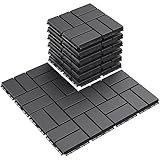 |
Easy Outdoor Upgrade | Material: High-hardness plastic (PP) | Shape/Format: Tile (12″ round/rectangular listed) | Installation (Tool-free / Placeable): Snap-together interlocking, tool-free | VIEW LATEST PRICE | Read Our Analysis |
| PrimeZone 12″ Interlocking Patio Deck Tiles (54-Pack) |  |
Best for Large Areas | Material: High-hardness PP plastic | Shape/Format: Square tile (12″ x 12″) | Installation (Tool-free / Placeable): Snap interlocking, tool-free | VIEW LATEST PRICE | Read Our Analysis |
| Yaheetech 27-Piece Interlocking Patio Deck Tiles (Brown) |  |
Natural Wood Look | Material: Fir wood planks on PP/PVC base (wood + plastic base) | Shape/Format: Square tile/sheet (12″ x 12″) | Installation (Tool-free / Placeable): Snap interlocking, tool-free placement | VIEW LATEST PRICE | Read Our Analysis |
| 9-Pack Grey Interlocking Deck Tiles 12″x12 |  |
Quick DIY Solution | Material: High-hardness, high-density plastic | Shape/Format: Square tile (12″ x 12″) | Installation (Tool-free / Placeable): Secure interlocking, DIY tool-free | VIEW LATEST PRICE | Read Our Analysis |
| VANCASTLE Interlocking Deck Tiles 12″x12″ (9-Pack) |  |
Heavy-Duty Performance | Material: High-density polypropylene (PP) plastic | Shape/Format: Square tile (12″ x 12″) | Installation (Tool-free / Placeable): Snap-together, tool-free | VIEW LATEST PRICE | Read Our Analysis |
| Sekcen 3-Pack Rubber Stepping Stones for Garden |  |
Low-Maintenance Pathway | Material: Recycled rubber | Shape/Format: Stepping stone (irregular/simulated flagstone) | Installation (Tool-free / Placeable): No tools or adhesive — place as-is | VIEW LATEST PRICE | Read Our Analysis |
| Qualdout Hexagon River Rock Stepping Stones (Set of 6) |  |
Decorative Garden Accent | Material: Natural river stone with backing | Shape/Format: Hexagonal stepping stone | Installation (Tool-free / Placeable): No cement/digging — place as-is | VIEW LATEST PRICE | Read Our Analysis |
More Details on Our Top Picks
-
Goovilla Interlocking Plastic Deck Tiles (9-Pack)
If you want a quick, easy outdoor upgrade, these Goovilla interlocking deck tiles make assembly painless. You’ll get nine 12″ tiles in dark grey, made from high-hardness, high-density plastic for firm, lightweight load-bearing and low expansion. The upgraded rectangular snap system clicks together tool-free and detaches in minutes, and you can trim tiles with a saw to fit edges. The rhombic back and front drains boost friction, airflow, and fast water runoff, so they resist slipping and outlast wood in sun, rain, or snow. Clean them with a water gun for low-maintenance, year-round decking.
- Material:High-hardness plastic (PP)
- Shape/Format:Tile (12″ round/rectangular listed)
- Installation (Tool-free / Placeable):Snap-together interlocking, tool-free
- Outdoor Use / Weather Resistance:Weather-resistant; year-round outdoor use (sun, rain, snow)
- Drainage / Slip Resistance:Front drains + rhombic back pattern — reduced slipping and drainage
- Custom Fit / Trimmable:Tiles can be cut with saw/cutting tools to fit edges
- Additional Feature:Round + rectangular listing
- Additional Feature:Rhombic anti-slip back
- Additional Feature:8-flat front drains
-
PrimeZone 12″ Interlocking Patio Deck Tiles (54-Pack)
Durable interlocking tiles let you quickly cover large areas while keeping a wood-like look and low maintenance. You’ll get 54 twelve-inch tiles crafted from high-hardness PP plastic that resist expansion, cracking, and fading, so they stay stable through sun, wind, and rain. Each tile has five slats, four drainage channels, and a back grid for traction and grip. The snap-fit system lets you lay or remove sections in minutes without tools, and you can cut tiles for custom patterns. Lightweight, drain-friendly, and easy to hose down, they’re ideal for balconies, patios, poolside areas, and indoor floors.
- Material:High-hardness PP plastic
- Shape/Format:Square tile (12″ x 12″)
- Installation (Tool-free / Placeable):Snap interlocking, tool-free
- Outdoor Use / Weather Resistance:Weather-resistant; withstands sunlight/wind/rain
- Drainage / Slip Resistance:4 drainage channels + wood-grain texture for traction
- Custom Fit / Trimmable:Tiles can be cut to fit tight areas/custom layouts
- Additional Feature:Imitation wood-grain surface
- Additional Feature:Five-slat top design
- Additional Feature:4 drainage channels
-
Yaheetech 27-Piece Interlocking Patio Deck Tiles (Brown)
For DIY homeowners wanting quick, natural wood-look decking, these Yaheetech interlocking tiles snap together without tools. You’ll get 27 brown 12″x12″ square sheets made from fir wood on a PP/PVC base, each about 1″ thick and fully sanded to prevent splinters. High-temperature drying and screws securing planks to the plastic base boost moisture resistance and reduce cracking. Grooved slats add traction when wet. Installation’s just snapping tiles onto cement, wood, carpet, patio, or poolside surfaces. At roughly 30.8 pounds total and backed by thousands of reviews, they’re a practical residential decking option.
- Material:Fir wood planks on PP/PVC base (wood + plastic base)
- Shape/Format:Square tile/sheet (12″ x 12″)
- Installation (Tool-free / Placeable):Snap interlocking, tool-free placement
- Outdoor Use / Weather Resistance:Treated wood for humidity resistance; suitable for outdoor use (patio, poolside)
- Drainage / Slip Resistance:Grooved wood slats (anti-skid) + plastic base drainage
- Custom Fit / Trimmable:Tiles can be trimmed/arranged for custom coverage
- Additional Feature:Real fir wood slats
- Additional Feature:Screwed wood-to-base
- Additional Feature:Sanded splinter-free surface
-
9-Pack Grey Interlocking Deck Tiles 12″x12
Homeowners wanting low-effort outdoor upgrades will love this pack as a quick DIY solution for instant flooring. You’ll get nine 12″x12″ grey interlocking tiles made from high-hardness, high-density plastic that’s lighter than wood yet sturdy enough for regular use. They resist sun, rain, snow, and won’t swell, offering better waterproofing than timber. The snap-together system prevents shifting, so you can assemble or remove sections in minutes without pros. Cut tiles easily to fit odd spaces, mix patterns, and use them indoors or out—patios, poolsides, porches, or bathrooms. Rinse clean for simple, low-maintenance upkeep.
- Material:High-hardness, high-density plastic
- Shape/Format:Square tile (12″ x 12″)
- Installation (Tool-free / Placeable):Secure interlocking, DIY tool-free
- Outdoor Use / Weather Resistance:Weather-resistant; resists sun, rain, snow
- Drainage / Slip Resistance:Perforations/drainage design; textured surface to reduce slipping
- Custom Fit / Trimmable:Tiles cuttable with saw/tools for custom fit
- Additional Feature:Lightweight plastic build
- Additional Feature:Quick DIY assembly
- Additional Feature:Creative pattern options
-
VANCASTLE Interlocking Deck Tiles 12″x12″ (9-Pack)
If you need a fast, no-fuss patio upgrade, these tiles deliver heavy-duty performance for busy outdoor spaces. You’ll snap the VANCASTLE 12″x12″ tiles together without tools — upgraded buckles lock securely, and you can trim tiles with a handsaw or circular saw for corners and columns. Made from high-density eco-friendly polypropylene, they resist rain, snow, UV, fading, and warping while needing only a rinse to clean. Perforated bottoms drain quickly and textured tops improve traction; they passed anti-slip tests though slippers may still be risky. They hold up to 440 lbs and work best on flat, solid substrates.
- Material:High-density polypropylene (PP) plastic
- Shape/Format:Square tile (12″ x 12″)
- Installation (Tool-free / Placeable):Snap-together, tool-free
- Outdoor Use / Weather Resistance:Resistant to rain, snow, UV; outdoor-rated
- Drainage / Slip Resistance:Perforated bottom for rapid drainage; textured anti-slip surface
- Custom Fit / Trimmable:Trimable with handsaw/circular saw for corners and pillars
- Additional Feature:440 lb weight capacity
- Additional Feature:Anti-slip tested surface
- Additional Feature:Not for uneven ground
-
Sekcen 3-Pack Rubber Stepping Stones for Garden
Lightweight rubber stepping stones let you lay out a low-maintenance pathway in minutes. You’ll get a pack of three Sekcen stones with a simulated flagstone design in natural grey, so they blend into gardens and walkways. Made from recycled rubber, they’re light to place yet heavy enough to stay put and withstand all weather. You won’t need tools or adhesives — just set them where you want instant results. The non-slip surface gives stability in wet conditions, and the low-maintenance material means less upkeep. Use them for backyard paths, garden accents, or quick, durable stepping routes.
- Material:Recycled rubber
- Shape/Format:Stepping stone (irregular/simulated flagstone)
- Installation (Tool-free / Placeable):No tools or adhesive — place as-is
- Outdoor Use / Weather Resistance:Weatherproof recycled rubber; all-weather
- Drainage / Slip Resistance:Non-slip surface on rubber stepping stones
- Custom Fit / Trimmable:Lightweight/place-as-needed (can be repositioned; no cutting required)
- Additional Feature:Recycled rubber material
- Additional Feature:Simulated flagstone look
- Additional Feature:Heavy wind-resistant placement
-
Qualdout Hexagon River Rock Stepping Stones (Set of 6)
For gardeners who want fuss-free style, these hexagon river rock pavers act as a decorative garden accent. You get a set of six lightweight, 9.3 x 8.3 x 0.5-inch stone stepping stones with hand-picked, polished river rocks arranged in a mosaic and secured by a durable backing. They resist rain, sun, and snow, conform to ground, and shift easily when you reposition them. No cement, digging, or pro installation required. Use them to keep shoes clean, protect turf, and create paths through flower beds, patios, or muddy spots. They also make a thoughtful gardening gift.
- Material:Natural river stone with backing
- Shape/Format:Hexagonal stepping stone
- Installation (Tool-free / Placeable):No cement/digging — place as-is
- Outdoor Use / Weather Resistance:Water-resistant natural stone; designed for outdoors
- Drainage / Slip Resistance:Textured stone surface; stable, water-resistant mosaic backing
- Custom Fit / Trimmable:Repositionable to fit paths and layouts (no cutting required)
- Additional Feature:Natural river-rock mosaic
- Additional Feature:Thin 0.5″ profile
- Additional Feature:Lightweight repositionable design
Factors to Consider When Choosing Patio Pavers Ideas
Before you pick a paver style, think about how the material will work with your existing surface and the weather conditions in your area. You’ll also want to consider load-bearing needs and long-term durability, plus how well the pavers handle drainage and waterflow. Finally, factor in the installation complexity so you can budget for time, tools, or professional help.
Surface Material Compatibility
When you pick patio pavers, match the material to the existing substrate so the installation stays stable and lasts: rigid options like concrete or stone tiles need a flat, solid base (concrete, compacted gravel, or decking) to prevent flexing and interlock failure, while softer or uneven ground calls for lightweight, flexible pavers or stepping-stone styles that can sit on and conform to the surface. Also check drainage compatibility—porous or channeled pavers need substrates that let water percolate or be directed away, while impervious units require a drainage layer beneath. Match thermal and moisture movement characteristics so expanding materials aren’t restricted by the base. Finally, verify load-bearing capacity: choose pavers and engineer the base to handle expected foot or vehicle loads to avoid settlement or cracking.
Weather Resistance Needs
Although your climate might not be top of mind, choosing pavers rated for local weather is essential to prevent cracking, fading, and fast wear. If you face winter freeze–thaw cycles, pick materials designed to resist spalling and cracking; dense concrete, certain natural stones, or engineered composites work best. Favor non‑porous or well‑sealed options to limit water absorption and staining. In hot, sunny areas choose UV‑resistant surfaces or pigments so colors hold up. Design proper drainage—sloped base, permeable joints, or channels—to avoid ponding that speeds freeze damage and erosion. Finally, make sure textures offer slip resistance when wet or icy and that finishes tolerate de‑icing salts and repeated freeze–thaw exposure for longer lifespan.
Load And Durability
Good weather resistance helps pavers survive the elements, but you also need to match their load and durability to how you’ll use the patio. Choose pavers with sufficient compressive strength: residential foot traffic typically needs 3,000–6,000 psi, while driveways require 8,000+ psi. Check material toughness and impact resistance—natural stone and concrete outperform low‑density plastics under heavy loads. Verify thickness: pedestrian areas usually use 1–1¼ inch pavers; driveways need 2–3 inches or thicker to avoid deformation. Don’t overlook edge restraint and a well‑compacted gravel subbase; proper edging and subbase distribute loads and greatly extend lifespan. Finally, factor in freeze–thaw cycles—pick frost‑rated materials to resist spalling and reduce long‑term maintenance.
Drainage And Waterflow
Because water can undermine both your patio and your home’s foundation, plan drainage and waterflow carefully before laying pavers. You’ll want a minimum slope of 1/8 inch per foot (about 1%) away from structures to promote runoff and keep water from pooling near foundations. Install 1–2 inches of compacted, angular permeable base under pavers to help subsurface drainage and reduce frost heave. Choose joint materials that allow infiltration—sand, permeable polymeric sand, or other permeable joint systems—to limit surface runoff and support groundwater recharge. Design linear, French, or channel drains sized for local rainfall intensity and catchment area. Finally, pick surface textures and spacing (gaps 1/16–1/4 inch for solids or larger for permeable systems) to balance slip resistance with quick drying.
Installation Complexity Level
When you’re choosing patio pavers, assess installation complexity up front since base preparation, cutting needs, and removal access will drive time, cost, and long-term performance. Decide if you want a simple lay-and-lock system or a multi-step base with excavation, geotextile, compacted gravel and sand—proper base work greatly improves durability. Match the system to your substrate: concrete slabs allow direct placement, while loose or uneven ground needs leveling and a sub-base. Check whether interlocking, snap-together tiles let you install tool-free and reversible setups versus traditional unit pavers that need cutting, edge restraints, and polymeric sand. Verify cutting tool requirements—wet saws for stone or ceramics, circular saws or handheld trims for composites—and consider future access: modular lightweight tiles ease removal, permanent installations don’t.
Maintenance And Upkeep
Regularly maintaining your patio pavers will extend their life and keep them looking sharp, so plan for simple tasks like sweeping and occasional rinsing plus annual power-washing or resealing. Choose low-porosity materials—concrete, porcelain, or sealed stone—to cut staining and reduce deep-cleaning frequency. Stick to routine care: clear joint sand and grout debris, hose surfaces, and schedule yearly sealing or power-washing. For winter, pick pavers and jointing compounds that tolerate freeze–thaw cycles and avoid metal shovels or harsh de-icers that cause damage. Consider slip resistance: smooth or worn finishes need more frequent cleaning or restoration to preserve traction. Finally, favor modular, individual pavers for easy lift-and-replace repairs instead of large poured surfaces.
Aesthetic And Color Palette
If you want your patio to feel like a natural extension of your home, pick a consistent color palette that complements major exterior elements—siding, roof, and nearby hardscapes—then refine it with tone and texture variations to add depth and hide wear. Choose between monochromatic, analogous, or complementary schemes so your pavers tie into the overall exterior. Mix three shades of a base color or combine matte and lightly textured finishes to mask dirt and create interest. Match joint materials and surrounding landscape hues for intentional transitions. Remember scale: light tones brighten small patios, dark tones ground larger areas. Test samples at different times and seasons so sunlight and fading won’t produce surprises once the installation’s complete.
Budget And Long-Term Costs
Because upfront material prices only tell part of the story, you should weigh installation, maintenance, and hidden site-prep costs to get a true picture of what a patio will cost over time. Basic concrete pavers cost less up front, while natural stone or high-end porcelain can run several times higher per square foot. Decide whether you’ll DIY—saving labor—or hire pros; contractors often add 30–100%+ to material costs for base prep, leveling, and pattern work. Compare lifecycle metrics: expected service life, warranty, and likely repair frequency. Factor maintenance: stain-resistant, crack-resistant products cut lifetime expenses compared with porous options. Don’t forget hidden items—subbase upgrades, drainage, edging, sealing, and permits—which can substantially increase total project cost.