

Outdoor composting performance varies significantly across seasons — a tumbler that processes material in three weeks during summer may slow to eight weeks in fall and stall almost entirely in a hard freeze. Understanding how your chosen system performs outside the optimal temperature range (55–85°F for active microbial decomposition) determines whether you get usable compost in spring or just a cold, inert mass that needs to restart. At 6BC Botanical Garden, outdoor composting across three-season use in an urban environment confirmed that insulation, pest resistance, and the ability to maintain some airflow through the winter are the specifications that determine year-round reliability.
The difference between an outdoor bin you’ll actually use and one that becomes a neglected pile comes down to three things: right capacity for your yard’s output, enough aeration for breakdown, and enough pest resistance to keep it clean. Here’s our honest assessment of the seven best options.
| Good Ideas EZCJR-BLK 7-Cubic-Foot Compost Wizard Jr. Black |  |
Small-Space Solution | Capacity: 7 cubic feet | Material: Post-industrial polyethylene (98%) | Outdoor Use: Designed for outdoor/small yards | VIEW LATEST PRICE | Read Our Analysis |
| VIVOSUN Dual Rotating 43-Gallon Outdoor Composter |  |
Continuous Composting | Capacity: 43 gallons | Material: Polypropylene plastic body + metal frame/galvanized steel | Outdoor Use: Outdoor tumbling composter | VIEW LATEST PRICE | Read Our Analysis |
| 34-Gallon Outdoor Compost Bin with Observation Window | 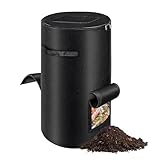 |
Lightweight & Portable | Capacity: 34 gallons | Material: 600 g thickened felt (polyester) | Outdoor Use: Outdoor compost bucket for garden/backyard | VIEW LATEST PRICE | Read Our Analysis |
| Geobin 246-Gallon Expandable Outdoor Compost Bin | 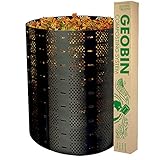 |
Heavy-Duty Capacity | Capacity: 246 gallons (expandable) | Material: High-density polyethylene (HDPE) | Outdoor Use: Outdoor/expandable backyard compost bin | VIEW LATEST PRICE | Read Our Analysis |
| Redmon 65-Gallon Outdoor Compost Bin with Lift-Off Lid |  |
Easy-Access Workhorse | Capacity: 65 gallons | Material: Plastic (80% post-consumer recycled) | Outdoor Use: Outdoor compost bin (weather resistant) | VIEW LATEST PRICE | Read Our Analysis |
| 45-Gallon Dual-Chamber Compost Tumbler with Orange Door |  |
Fast-Processing Tumbler | Capacity: 45 gallons (2 × 22.5) | Material: Polypropylene + powder-coated steel | Outdoor Use: Outdoor dual-chamber tumbler (weather resistant) | VIEW LATEST PRICE | Read Our Analysis |
| Werph 43-Gallon Dual-Chamber Compost Tumbler with Gloves |  |
Quick-Setup Duo | Capacity: 43 gallons | Material: Plastic (BPA-free) | Outdoor Use: Outdoor compost tumbler (year-round use) | VIEW LATEST PRICE | Read Our Analysis |
More Details on Our Top Picks
-
Good Ideas EZCJR-BLK 7-Cubic-Foot Compost Wizard Jr. Black
Small-Space Solution
Our Take: Dual chamber design solves the management trade-off between adding fresh material and allowing a batch to complete: keep one chamber active for additions, one closed for finishing. The 43-gallon volume maintains adequate thermal mass through fall temperatures. The rotating mechanism means no manual turning — relevant for year-round use when cold makes manual pile turning uncomfortable.
If you need a compact, small-space solution for backyard composting, the Compost Wizard Jr. fits neatly. You get a 7-cubic-foot tumbler (22 x 23.5 x 30 inches, 27 lb) made in the USA from 98% post-industrial polyethylene, FDA-approved and virtually animal-proof. The two-part unit arrives assembled; its 12-inch lid and drum handles let you tumble weekly to mix ingredients. Vent holes, turn wheels, and a large opening simplify adding scraps. Place it in sun—the black color speeds heating. It’s an affordable, entry-level choice for urban or weekend gardeners seeking nutrient-rich compost.
Our Take: A genuinely useful starter tumbler for small yards. The 7-cubic-foot capacity is right-sized for a small household, and the tumbling mechanism handles aeration without requiring manual turning. One practical note: tumblers work best when you batch your inputs rather than adding small amounts daily — plan to collect scraps for a few days, then add them all at once for faster breakdown.
- Capacity:7 cubic feet
- Material:Post-industrial polyethylene (98%)
- Outdoor Use:Designed for outdoor/small yards
- Access / Loading Method:Large opening at top; tumbler lid for adding
- Aeration / Ventilation:Vent holes in drum
- Designed for Continuous or Rotating Composting:Tumbler with rotating drum (manual tumbling)
- Additional Feature:98% post-industrial polyethylene
- Additional Feature:Virtually animal-proof design
- Additional Feature:Lid doubles as handle
-
VIVOSUN Dual Rotating 43-Gallon Outdoor Composter
Ideal for gardeners who want steady, hands-off feedstock, the VIVOSUN Dual Rotating 43‑gallon composter delivers continuous composting with twin chambers. You can load one chamber while the other finishes, giving you a steady supply without downtime. The octagonal, 43‑gallon drum rotates 360°; deep fins on eight panels break clumps and improve mixing so you won’t need to dig. Air vents and thoughtful design promote oxygenation for efficient fermentation. Built on a premium metal frame with PP plastic and galvanized components, it’s corrosion‑ and weather‑resistant. It even includes waterproof garden gloves and four ABS digging claws.
Our Take: The dual-chamber design is the real advantage here. One chamber finishes while the other fills, giving you a continuous supply of compost rather than waiting for a full batch to finish. At 43 gallons it handles a household’s combined kitchen and yard waste well. The rotating mechanism is smooth enough that turning doesn’t feel like a chore. A reliable choice for regular composters.
- Capacity:43 gallons
- Material:Polypropylene plastic body + metal frame/galvanized steel
- Outdoor Use:Outdoor tumbling composter
- Access / Loading Method:Twin chambers with doors; top loading into chambers
- Aeration / Ventilation:Air vents for full circulation; deep fins
- Designed for Continuous or Rotating Composting:360° tumbling twin-rotating chambers (continuous workflow)
- Additional Feature:Twin separate chambers
- Additional Feature:Includes garden gloves
- Additional Feature:Deep fins on panels
-
34-Gallon Outdoor Compost Bin with Observation Window
This 34‑gallon compost bin fits small yards and apartment balconies, and it’s lightweight & portable so you can move it easily. You get a cylinder‑shaped, black 34‑gallon bin made from 600 g thickened polyester felt that breathes, holds shape while filling, and folds flat for storage. A dual-zipper top makes adding scraps simple; two bottom observation windows let you monitor fermentation and retrieve finished soil (avoid getting soil on self‑adhesive strips). Reinforced side handles aid transport. Use it for kitchen scraps, leaves, trimmings, or as versatile storage. Sold by Niuyhe with a one‑pack unit and standard return support.
Our Take: The observation window is more useful than it sounds — it lets you check moisture and decomposition progress without opening the bin. At 34 gallons, capacity is adequate for light-to-moderate composting. A good mid-range option for gardeners who want simplicity over the complexity of a tumbler.
- Capacity:34 gallons
- Material:600 g thickened felt (polyester)
- Outdoor Use:Outdoor compost bucket for garden/backyard
- Access / Loading Method:Dual-zipper large top opening
- Aeration / Ventilation:Breathable felt material; observation windows (venting via fabric)
- Designed for Continuous or Rotating Composting:Upright static bin (monitoring windows) — foldable; intended for batch composting
- Additional Feature:Two observation windows
- Additional Feature:Foldable for storage
- Additional Feature:Reinforced transport handles
-
Geobin 246-Gallon Expandable Outdoor Compost Bin
For gardeners who need serious turning and storage, the Geobin’s expandable, heavy-duty capacity makes yard waste vanish fast. You’ll get a genuine GEOBIN composter made in the USA from high-density polyethylene that won’t leach or degrade. It expands to about 4 feet (roughly 246 gallons) to handle bulky trimmings, yet weighs just seven pounds and assembles easily with included connection keys. The cylindrical, ventilated design speeds decomposition while keeping materials contained. Presto Products warrants it against manufacturing defects, and many sellers offer a standard return window. It’s a simple, robust choice for backyard recycling and large-volume composting.
Our Take: This is the option for serious volume. 246 gallons gives you room to process large quantities of yard waste — fall leaves, garden trimmings, grass clippings. The expandable design lets you resize it seasonally. Trade-off: no pest barrier and no turning mechanism, so you’ll need to turn the pile manually and may need to secure the base if rodents are a concern in your area.
- Capacity:246 gallons (expandable)
- Material:High-density polyethylene (HDPE)
- Outdoor Use:Outdoor/expandable backyard compost bin
- Access / Loading Method:Top-loading expandable cylinder (assembly keys included)
- Aeration / Ventilation:Maximum ventilation design
- Designed for Continuous or Rotating Composting:Static expandable bin for batch composting (assembly for piles)
- Additional Feature:Expandable to 246 gallons
- Additional Feature:High-density polyethylene
- Additional Feature:Connection keys included
-
Redmon 65-Gallon Outdoor Compost Bin with Lift-Off Lid
Gardeners who want simple, roomy composting will appreciate the Redmon 65-gallon bin — an easy-access workhorse with a lift-off lid and four-door removal that keeps aeration and turning straightforward. You’ll get a 65-gallon, trapezoid-shaped plastic bin (26 x 26 x 30.75 in) made from 80% post-consumer recycled materials, weighing about 15 pounds. Vent holes promote airflow and gas release while weather-resistant construction stands up outdoors. No tools are needed for assembly. Use it for kitchen scraps, yard waste, leaves and plant debris to produce nutrient-rich compost on-site. It includes a one-year limited warranty and standard seller support.
Our Take: Simple, effective, appropriately sized for most home gardens. The lift-off lid makes adding material and harvesting compost straightforward. At 65 gallons it’s in the sweet spot — large enough to build adequate heat for decomposition, manageable enough not to become overwhelming. Our recommendation for gardeners who want low-maintenance outdoor composting without the complexity of a tumbler.
- Capacity:65 gallons
- Material:Plastic (80% post-consumer recycled)
- Outdoor Use:Outdoor compost bin (weather resistant)
- Access / Loading Method:Lift-off lid (top) with 4-door access for removal
- Aeration / Ventilation:Multiple vent holes for aeration/gas release
- Designed for Continuous or Rotating Composting:Static 4-door bin for batch composting with staged access
- Additional Feature:Four-door bottom access
- Additional Feature:Made from 80% recycled material
- Additional Feature:Lift-off top lid
-
45-Gallon Dual-Chamber Compost Tumbler with Orange Door
If you want dependable, continuous composting, the 45-gallon dual-chamber tumbler with an orange door is a fast-processing tumbler built for steady output. You’ll work with two 22.5-gallon hexagonal chambers that let you start a fresh batch while the other breaks down. Deep fins and aeration holes increase oxygen flow and shred material, so compost matures faster. The smooth rotation and stable powder-coated steel frame resist rocking during tumbling. Large removable orange doors simplify loading and harvesting. Made from thick polypropylene, it stands up to sun and weather. Assembly takes about 30 minutes; rotate 5–6 times every few days.
Our Take: Solid continuous-composting tumbler with the added benefit of easy-access orange doors that make loading and harvesting simple. The dual-chamber design keeps finished compost separate from active material. Build quality is good. A strong alternative to the VIVOSUN at similar capacity.
- Capacity:45 gallons (2 × 22.5)
- Material:Polypropylene + powder-coated steel
- Outdoor Use:Outdoor dual-chamber tumbler (weather resistant)
- Access / Loading Method:Large openings and removable doors (dual chambers)
- Aeration / Ventilation:Aeration holes and deep fins for oxygen circulation
- Designed for Continuous or Rotating Composting:Dual-chamber rotating tumbler for alternating batches
- Additional Feature:Powder-coated steel frame
- Additional Feature:Smooth stable rotation
- Additional Feature:Large removable doors
-
Werph 43-Gallon Dual-Chamber Compost Tumbler with Gloves
Tackle twice the compost with minimal effort—this quick-setup duo suits busy gardeners who want fast, hands-off results. You’ll get a 43-gallon, hexagonal tumbler with dual chambers so you can fill one side while the other cures, cutting wait time and boosting output. The 360-degree tumbling action and deep internal fins mix evenly without stirring; a sliding door makes additions easy. Made from BPA-free, weather-resistant plastic, it’s built for year-round outdoor use and claims 4–6 week compost cycles for typical kitchen and yard waste. It includes gloves, assembles in about 10 minutes, and carries a manufacturer warranty.
Our Take: Capable dual-chamber tumbler with the gloves being a practical inclusion rather than a gimmick. Performance is comparable to the VIVOSUN at similar capacity. If the Werph is priced lower when you’re buying, it’s a legitimate alternative — the build quality holds up.
- Capacity:43 gallons
- Material:Plastic (BPA-free)
- Outdoor Use:Outdoor compost tumbler (year-round use)
- Access / Loading Method:Sliding door panel for addition and access
- Aeration / Ventilation:Deep fins and 360° tumbling for even aeration
- Designed for Continuous or Rotating Composting:Dual-chamber 360° tumbling composter for alternating batches
- Additional Feature:Includes handling gloves
- Additional Feature:Quick, low-screw assembly
- Additional Feature:BPA-free construction
Factors to Consider When Choosing Outdoor Compost Bin Ideas
Outdoor composting choices involve different trade-offs than countertop bins. Capacity, pest resistance, and how much effort you want to put into managing the pile all matter. At 6BC, we’ve learned that people consistently underestimate how much they’ll generate once they start composting seriously — and then outgrow their first bin. These factors help you get it right the first time.
Composting Capacity Needs
Choosing the right composting capacity starts with estimating how much organic material you actually produce each week—kitchen scraps plus yard trimmings—and then sizing your bin to handle that volume without constant emptying. If your household yields about 1–2 gallons per day, aim for a 30–60 gallon bin. Match capacity to method: tumblers and dual-chamber systems usually need 40+ gallons to maintain heat and activity, while passive bins can be much larger for bulk yard waste. Account for time-to-finish: small bins (<20 gallons) give quick, small batches; 100+ gallons support slower hot composting. Plan 25–50% extra volume for bulking materials and air space. For a steady supply, use multiple chambers or a larger system so one side can finish while the other receives fresh waste.
Bin Material Types
Now that you’ve matched capacity to your household’s output and method, the next decision is what your bin’s made of—because material affects heat retention, durability, maintenance, pest resistance, and how often you’ll need to replace or repair the unit. Plastic bins (HDPE or polypropylene) are lightweight, UV- and weather-resistant, often color-insulated to retain heat, and low-maintenance, though prolonged sun exposure can slowly degrade them. Metal bins (galvanized or powder-coated) last long, deter pests and conduct heat for faster breakdown, but may rust and overheat in direct sun. Wood (cedar or redwood) looks good and insulates naturally but can rot unless treated. Fabric bags breathe and dry contents quickly but tear more easily. Hybrids mix materials to balance strength, insulation, weight, and longevity—choose based on your priorities.
Aeration And Drainage
Because oxygen and moisture are the two things that most determine how quickly and cleanly your pile breaks down, pick a bin that promotes airflow and lets excess liquid escape. Choose well-ventilated designs with multiple air passages or perforations to feed aerobic microbes and cut odors. Ensure drainage by selecting bins that let leachate exit or can be drained; aim for a wrung-out sponge moisture. Internal mixing features or turning schedules redistribute air pockets and moisture to avoid anaerobic zones. Sit the bin on a permeable base or a raised, vented platform so air moves beneath and liquids drain away, reducing soggy bottoms and pests. Use shredded browns or bulking agents like wood chips or straw to keep structure and preserve air channels.
Ease Of Use
Good aeration and drainage make composting efficient, but you’ll also want a bin that’s simple to operate—otherwise good features go unused. Pick a tumbler or rotating unit with comfortable handles so you’ll mix compost with weekly tumbles, not back-straining labor. Choose large openings or removable doors for quick additions and easy removal of finished material without digging. Favor lightweight or well-supported designs with sturdy bases so you can reposition the bin and rotate or load it without instability. Look for built-in vent holes or internal fins to keep oxygen flowing and cut down on manual aeration. Finally, check assembly complexity and maintenance: tool-free or low-fastener setups and washable, durable materials save setup time and reduce ongoing upkeep.
Weather Durability
When you place a compost bin outside year-round, pick materials and features that withstand sun, rain, freeze-thaw cycles, and wind so the unit keeps functioning without frequent repairs. Choose UV-stabilized plastics or powder-coated/galvanized metals to resist sun degradation and corrosion for multi-year outdoor use. In cold climates, pick freeze-thaw resistant plastics like HDPE or heavy-duty polypropylene to avoid cracking and warping. Look for secure, well-sealed lids and vents that balance airflow with moisture protection so rainwon’t saturate the pile while aerobic decomposition continues. Favor elevated or ventilated bases and drainage features to prevent pooling and anaerobic conditions after heavy rainfall. Finally, verify wind- and animal-resistant closures plus a stable footprint or anchoring options to keep the bin upright during storms.
Maintenance And Access
Durability matters, but routine upkeep and easy access determine how well your compost system performs over time. Choose a design with easy-access openings—a top lid plus a bottom or side door—so you can add scraps and remove finished compost without digging. Favor tumblers or units with wide doors to simplify turning and keep the pile aerobic with less effort. Make sure vents or aeration features are reachable for occasional cleaning; blocked vents slow decomposition and cause odors. Position the bin so you can check moisture, water, or cover it quickly to maintain a damp (not soggy) balance. Finally, pick a model that’s simple to disassemble, tip, or fold for seasonal cleaning, pest-proofing, or moving to extend lifespan and compost quality.
Getting Results From Your Outdoor Compost Bin
An outdoor compost bin is only as effective as what goes into it — and how you manage it.
Balance greens and browns. Kitchen scraps and fresh grass clippings are nitrogen-rich (greens). Dried leaves, cardboard, and wood chips are carbon-rich (browns). Aim for roughly 2–3 parts browns to 1 part greens by volume. Too many greens and the pile gets wet and smelly; too many browns and it breaks down too slowly.
Keep it moist, not wet. Compost should feel like a wrung-out sponge. Too dry and decomposition stalls; too wet and you’ll get anaerobic conditions and odor. In dry summers, water the pile occasionally. In wet climates, a lid helps.
Turn it. Aeration is the single biggest driver of how fast your pile breaks down. For static bins, turn with a pitchfork every 1–2 weeks. For tumblers, spin every 2–3 days. You’ll know the pile is working when the interior feels warm — that heat is the microbial activity doing the work.
Compost is ready when it looks like soil. Dark, crumbly, earthy-smelling material with no recognizable food or plant matter. This typically takes 2–6 months depending on your climate, inputs, and how actively you manage the pile.
Protecting Outdoor Bins Through Winter
Active decomposition slows significantly below 55°F and essentially stops below freezing, but composting through winter remains worthwhile: material continues breaking down during above-freezing periods, and a frozen pile resumes activity quickly when temperatures rise in spring. Insulate tumblers with a wrapped moving blanket or bubble wrap during the coldest months to maintain marginally higher internal temperatures. Site outdoor bins in the sunniest winter position available — south-facing placement gains the most passive solar heat. Stop adding kitchen scraps in mid-winter if the bin is truly frozen; resume when temperatures rise above 40°F consistently.
For backyard-specific bin sizing and volume selection matched to typical household waste production, our guide to backyard compost bins covers the capacity decision in more detail with benchmarks by household size and yard type.
For the full decision framework across all tools and formats in this category, see our composting guide.