

Composting adjacent to garden beds changes the workflow from a separate outdoor task into an integrated part of gardening. When the compost source and the application destination are steps apart, finished compost moves onto beds more frequently — small top-dressings throughout the season rather than a single annual application. At 6BC Botanical Garden, positioning compost bins within the garden footprint rather than at the property’s edge reduced the per-application effort enough to increase application frequency from once per season to five or six smaller applications, which produced measurably better soil structure and plant response over a three-year period.
The range of options has expanded significantly. Compact tumblers suit small urban gardens; large static bins handle high-volume yard waste; specialty options like inground worm composters work directly in the soil. Here’s our honest take on each approach and which gardens they suit best.
| Good Ideas EZCJR-BLK 7-Cubic-Foot Compost Wizard Jr. Black | 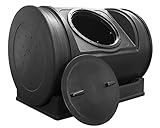 |
Compact Urban Pick | Capacity: 7 cubic feet | Material: Post-industrial polyethylene (98%) | Outdoor Use: Designed for outdoor/small yards | VIEW LATEST PRICE | Read Our Analysis |
| VIVOSUN Dual-Rotation 43 Gallon Outdoor Tumbling Composter |  |
Continuous Composting | Capacity: 43 gallons | Material: Polypropylene body; galvanized steel/frame | Outdoor Use: Outdoor tumbling composter | VIEW LATEST PRICE | Read Our Analysis |
| MyLifeUNIT 34-Gallon Outdoor Compost Bins (2-Pack) |  |
Portable Pair | Capacity: 34 gallons (each) | Material: Polyester with polyethylene components | Outdoor Use: Outdoor compost bags for garden/kitchen waste | VIEW LATEST PRICE | Read Our Analysis |
| 45‑Gallon Dual Chamber Compost Tumbler (Orange Door) |  |
Dual-Batch Workhorse | Capacity: 45 gallons (2 x 22.5 gal) | Material: Polypropylene; powder-coated steel | Outdoor Use: Outdoor dual-chamber rotating composter | VIEW LATEST PRICE | Read Our Analysis |
| Inground Worm Composter 2-Pack (8L) Green |  |
Vermicompost Starter | Capacity: 8 liters (2.11 gallons) per bin (2-pack) | Material: Polypropylene (PP) | Outdoor Use: Inground outdoor worm composter for garden beds | VIEW LATEST PRICE | Read Our Analysis |
| JupiterForce 80-Gallon Outdoor Compost Bin (BPA-Free) |  |
High-Capacity Saver | Capacity: 80 gallons | Material: BPA-free polypropylene (PP) | Outdoor Use: Outdoor garden compost bin (weatherproof) | VIEW LATEST PRICE | Read Our Analysis |
| Miracle-Gro Dual Chamber 55.4 Gallon Compost Tumbler |  |
Fast-Working Tumbler | Capacity: 55.4 gallons (2 x 27.7 gal) | Material: BPA-free, food-grade plastic shell; galvanized/alloy steel components | Outdoor Use: Large outdoor compost tumbler (all-season) | VIEW LATEST PRICE | Read Our Analysis |
More Details on Our Top Picks
-
Good Ideas EZCJR-BLK 7-Cubic-Foot Compost Wizard Jr. Black
For small-space gardeners, the Compost Wizard Jr. is a compact urban pick that delivers easy, low-effort composting. You’ll get a 7-cubic-foot, two-part tumbler (22 x 23.5 x 30 in., 27 lb.) that arrives assembled and ready to use. Made in the USA from 98% post-industrial polyethylene, it’s FDA-approved for homes with kids and pets and is virtually animal-proof. Turn the drum weekly using the 12-inch lid and handles; vents, turn wheels, and a large opening make adding scraps simple. Black plastic absorbs heat for faster breakdown, making this an affordable entry-level option for small yards.
Our Take: A compact, beginner-friendly tumbler well-suited to small garden plots and tight backyards. The 7-cubic-foot capacity processes enough material to meaningfully amend a few raised beds each season. Good starting point for gardeners who want their first outdoor composting system without a large footprint.
- Capacity:7 cubic feet
- Material:Post-industrial polyethylene (98%)
- Outdoor Use:Designed for outdoor/small yards
- Aeration / Ventilation:Vent holes for airflow
- Access / Removal:Large opening/lid for adding ingredients
- Continuous / Batch Composting Capability:Single-chamber tumbler for batch composting (tumble weekly)
- Additional Feature:Compact two-part unit
- Additional Feature:12-inch rotating lid
- Additional Feature:Made in USA
-
VIVOSUN Dual-Rotation 43 Gallon Outdoor Tumbling Composter
If you want steady compost without constant mixing, the VIVOSUN 43‑gallon dual‑rotation tumbler delivers continuous composting with minimal effort. You’ll use its twin chambers to alternate active and curing batches, keeping finished compost ready while you add fresh scraps. The octagonal 43‑gallon barrel (26.25″ L x 23.6″ W x 36.5″ H) tumbles 360°, and deep fins on eight panels break clumps and boost aeration through vents. Built on a premium metal frame with PP plastic and galvanized steel parts, it resists corrosion and weathering. It includes waterproof gloves and four ABS claws for digging and planting.
Our Take: Our recommendation for established garden composters. The dual-rotation design provides continuous output — one chamber finishes while the other fills — and 43 gallons handles a full season of kitchen and garden waste for most households. The rotation mechanism durability is a meaningful differentiator from cheaper alternatives.
- Capacity:43 gallons
- Material:Polypropylene body; galvanized steel/frame
- Outdoor Use:Outdoor tumbling composter
- Aeration / Ventilation:Air vents; excellent aeration
- Access / Removal:Rotating door (black door) for access; twin chambers
- Continuous / Batch Composting Capability:Dual chambers allow alternating batches (continuous supply)
- Additional Feature:Twin-chamber continuous use
- Additional Feature:Deep fins for breaking
- Additional Feature:Includes gloves & claws
-
MyLifeUNIT 34-Gallon Outdoor Compost Bins (2-Pack)
Compact and rugged, this portable pair of 34‑gallon bins makes backyard composting easy for busy gardeners. You’ll get two black, cylindrical, collapsible bags that hold 34 gallons each and measure 17.7 × 17.7 × 31.5 inches. They’re polyester with polyethylene parts, lightweight yet tear- and water-resistant, and they stay open upright while filling. Strong webbing handles and a sealed zipper with hook-and-loop keep contents secure and make moving full bags simpler. Dual top-and-bottom openings speed checking fermentation and removing soil; just avoid contact with the self-adhesive strips. They also double as handy storage for gear or laundry.
Our Take: The 2-pack format is the standout feature here — two bins lets you run a proper two-stage composting system, with fresh material going into one bin while the other finishes. This is a classic composting technique that produces finished material reliably. At 34 gallons each, there’s adequate capacity without a large footprint. Good value for the volume.
- Capacity:34 gallons (each)
- Material:Polyester with polyethylene components
- Outdoor Use:Outdoor compost bags for garden/kitchen waste
- Aeration / Ventilation:Designed for fermentation (implies airflow features)
- Access / Removal:Top and bottom openings; sealed zipper for removal
- Continuous / Batch Composting Capability:Two-pack bags allowing staggered/continuous use
- Additional Feature:Collapsible for storage
- Additional Feature:Sealed zipper closure
- Additional Feature:Strong webbing handles
-
45‑Gallon Dual Chamber Compost Tumbler (Orange Door)
Gardeners who want steady, year‑round composting will love this dual‑batch workhorse with two 22.5‑gallon chambers. You’ll switch chambers to keep one batch decomposing while starting another, yielding continuous compost without downtime. The 45‑gallon hexagonal tumbler uses extra‑thick polypropylene and powder‑coated steel for UV and corrosion resistance. Deep fins and aeration holes break up scraps and boost oxygen, and the smooth rotation on a stable frame makes turning effortless. Large removable doors simplify adding waste and harvesting finished compost. Assembly takes about 30 minutes with included hardware and clear instructions; rotate 5–6 times every few days for best results.
Our Take: A reliable continuous-composting tumbler with high-visibility orange doors that make loading and harvesting practical with gloves on. The dual-chamber design keeps finished compost separate from active material. The extra-thick polypropylene and powder-coated steel are meaningful quality signals at this price point. Performs comparably to the VIVOSUN at similar capacity — a strong alternative if priced more competitively when you purchase.
- Capacity:45 gallons (2 x 22.5 gal)
- Material:Polypropylene; powder-coated steel
- Outdoor Use:Outdoor dual-chamber rotating composter
- Aeration / Ventilation:Aeration holes and deep fins for oxygen circulation
- Access / Removal:Large openings and removable doors for adding/removing
- Continuous / Batch Composting Capability:Dual-chamber design for alternating batches
- Additional Feature:Buckle-connected assembly
- Additional Feature:Smooth, stable rotation
- Additional Feature:Removable chamber doors
-
Inground Worm Composter 2-Pack (8L) Green
This 2-pack inground worm composter suits beginners who want a simple vermicompost starter for beds and patios. You bury each 8L polypropylene cylinder in soil, add kitchen scraps, paper, or leaves, and let worms do the work (worms not included). The removable lids and 360° ventilation holes keep air flowing and control odors. With two bins you rotate batches for near year‑round composting and can expect nutrient-rich compost in 2–3 months under typical conditions. Each compact bin measures 9.5 x 9.5 x 10.8 inches and weighs about 1.13 kg, making setup and handling straightforward.
Our Take: A fundamentally different approach suited to established garden beds. The inground design feeds worm castings directly into surrounding soil without harvesting — zero maintenance composting for planted areas. The 2-pack covers two separate bed areas. Best added to an existing garden rather than used as a standalone composting system.
- Capacity:8 liters (2.11 gallons) per bin (2-pack)
- Material:Polypropylene (PP)
- Outdoor Use:Inground outdoor worm composter for garden beds
- Aeration / Ventilation:360° ventilation holes
- Access / Removal:Removable lid; dual-bin access for continuous use
- Continuous / Batch Composting Capability:Dual-bin system for continuous composting cycles
- Additional Feature:Buries in garden bed
- Additional Feature:360° ventilation holes
- Additional Feature:Dual-bin vermicomposting system
-
JupiterForce 80-Gallon Outdoor Compost Bin (BPA-Free)
For homeowners needing bulky-waste handling, the JupiterForce 80-gallon bin acts as a high-capacity saver for large yards. You’ll get a rectangular, lightweight outdoor composter in black made from BPA-free polypropylene that resists frost and rain year-round. It measures 23.2″ L x 22.4″ W x 31.9″ H, weighs 11.9 pounds, and holds about 300 liters. Four vents per side improve airflow and speed decomposition. You load through the top lid and retrieve finished compost via a sliding bottom door. Tool-free assembly locks in four steps, it sits directly on soil, and gloves are included. Warranty details available.
Our Take: For gardens that generate significant volume of trimmings and yard waste, the 80-gallon capacity provides room to work with. Simple static design with adequate ventilation. The BPA-free construction matters for food-scrap composting. Low maintenance, long-lasting, appropriate for high-volume gardens.
- Capacity:80 gallons
- Material:BPA-free polypropylene (PP)
- Outdoor Use:Outdoor garden compost bin (weatherproof)
- Aeration / Ventilation:Four vents per side for air circulation
- Access / Removal:Top lid for loading; sliding bottom door for removing compost
- Continuous / Batch Composting Capability:Large single bin suitable for repeated batches (top load, bottom removal)
- Additional Feature:Tool-free four-step assembly
- Additional Feature:Sliding bottom door
- Additional Feature:Frost- and rainproof
-
Miracle-Gro Dual Chamber 55.4 Gallon Compost Tumbler
Perfect for busy gardeners who want quick results, the Miracle-Gro Dual Chamber 55.4 Gallon compost tumbler delivers fast-working tumbling action. You’ll appreciate the dual 27.7-gallon chambers that let you add fresh scraps to one side while the other cures, producing usable compost in about 4–6 weeks. The hexagonal, easy-turn drum and tight side locks make loading, rotating, and unloading simple while keeping pests out. Built from UV-protected, food-grade plastic with a galvanized steel base and alloy components, it’s sturdy for year-round use. At 37.4 x 23.5 x 29.5 inches, it handles high-volume yard and kitchen waste efficiently.
Our Take: The high-capacity dual-chamber option for serious garden composters. At 55.4 gallons it produces more finished material per cycle than smaller tumblers — relevant if you’re amending multiple large beds. Solid construction throughout. The right choice when the 43-gallon alternatives are consistently not keeping up with your material volume.
- Capacity:55.4 gallons (2 x 27.7 gal)
- Material:BPA-free, food-grade plastic shell; galvanized/alloy steel components
- Outdoor Use:Large outdoor compost tumbler (all-season)
- Aeration / Ventilation:Designed with aeration for efficient decomposition
- Access / Removal:Easy loading and unloading doors for each chamber
- Continuous / Batch Composting Capability:Dual-chamber design for continuous compost production
- Additional Feature:Fast 4–6 week composting
- Additional Feature:Side-locking pest seals
- Additional Feature:UV-protected food-grade plastic
Factors to Consider When Choosing Garden Compost Bin Ideas
Garden composting choices come down to scale, convenience, and how much you want to engage with the process. At 6BC, we match the system to the garden — small urban plots need different solutions than large suburban gardens. Here’s what actually matters.
Size And Capacity
Many gardeners match bin size to household waste and garden scale, aiming for about 20–40 gallons (75–150 L) for small urban plots and 80 gallons (≈300 L) or more for larger yards that produce seasonal trimmings. Choose capacity by matching processing method and throughput: tumblers or dual-chamber systems work better at 40–60+ gallons so you can rotate batches, while single-chamber and worm bins perform well at smaller volumes. Think about how often you’ll add material—if you toss scraps daily, pick a larger bin to avoid constant emptying; if additions are infrequent, a compact bin will do. Ensure finished compost access with doors or sliding bottoms on bigger units, and measure the space so height and footprint fit and remain manageable when full.
Material And Durability
Because your compost bin sits outside year-round, choose materials that resist sun, rain, frost and corrosion so the unit stays functional for seasons, not just months. Pick UV-resistant, food-grade plastics or powder-coated steel to avoid sun degradation and rust. Thicker polypropylene or polyethylene walls and reinforced frames cut flexing and rocking during tumbling and stand up to impacts. Ensure weatherproofing—good seals and lids prevent waterlogging and protect against freeze–thaw damage. Check that vents and internal fins are molded from durable polymers or corrosion-resistant metal so aeration features last. Balance weight and portability: lighter polypropylene is easy to move, while heavier metal or thicker plastic gives greater stability and longevity. Prioritize construction quality for multi-year outdoor use.
Composting Speed
If you want compost quickly, focus on factors that speed microbial activity: particle size, aeration, moisture, C:N balance and temperature all matter. Choose a bin that lets you shred and layer materials—smaller particles and shredded greens and browns boost surface-area-to-volume ratio and cut time from months to weeks. Turn or tumble the pile every few days to keep oxygen high; well-managed hot compost can finish in 4–8 weeks versus static piles that take much longer. Aim for a C:N ratio near 25–30:1 so microbes have balanced food. Keep moisture like a wrung-out sponge (40–60%) to avoid stalls. Finally, use insulated or enclosed bins that retain heat to reach 131–160°F (55–70°C) for faster, safer breakdown.
Pest And Odor Control
When you pick a compost bin, think about how it keeps pests and odors out as much as how it holds material—tight-sealing lids, pest-resistant vents or screens, and enclosed designs like tumblers cut off access and help contain smells. Choose elevated or sealed models to reduce ground-pest contact and limit animal attraction. Maintain a roughly 25–30:1 carbon-to-nitrogen ratio and avoid meat or dairy to prevent strong odors and fast pest interest. Turn or tumble regularly and keep good aeration so decomposition stays aerobic, cutting foul smells. Cover fresh food scraps with brown materials (leaves, shredded paper) and keep moisture at a damp-sponge level to suppress odors and deter flies. These steps make composting cleaner and less tempting to critters.
Ease Of Use
Picking a compost bin that’s easy to use will save you time and keep you composting consistently, so look for features that cut down on heavy lifting and frequent fiddling. Choose a tumbling or rotating model or one with easy-access doors to minimize manual turning; that makes mixing greens and browns effortless. Favor large openings, removable lids, and bottom-access doors so adding materials and harvesting finished compost is quick and hygienic. Prioritize lightweight constructions, built-in handles, or casters if you’ll move the bin for sun or storage. Look for ventilation slots and internal fins or baffles to promote aeration and reduce turning. Finally, pick a size and shape that balances capacity with accessibility—small bins are manageable but need more emptying; large bins may need tools or two people.
Matching Your Compost System to Your Garden
The best compost bin for your garden is the one sized appropriately for what you grow and what you generate — not the most feature-packed option available.
Small gardens (under 200 sq ft): A compact tumbler (7–37 gallons) or a single static bin (34–65 gallons) is sufficient. You’re producing amendments for a few beds, not a large landscape.
Medium gardens (200–500 sq ft): A dual-chamber tumbler at 43–55 gallons gives you continuous output and handles the combined volume of kitchen and garden waste from a mid-size plot. This is the most common category and the VIVOSUN or Miracle-Gro options serve it well.
Large gardens (500+ sq ft): Serious volume means a large static bin (65–246 gallons), a two-bin system, or multiple tumblers. The two-bin system — one filling, one finishing — is what experienced gardeners often land on eventually.
Apply compost at the right time. Work finished compost into beds in fall after clearing, or in early spring before planting. A 2–3 inch layer worked into the top 6–8 inches of soil makes a meaningful difference in plant performance over a season.
Positioning Compost Bins Within the Garden for Maximum Impact
Effective garden composting is partly a proximity optimization: the closer the finished compost is to where it’s applied, the more frequently it gets used. Position bins within 20 feet of the primary growing beds — ideally accessible from a direct path without crossing planted areas. South or east-facing placement maximizes passive solar heat for extended warm-weather processing. Leave enough clearance on at least two sides of the bin for turning, harvesting, and adding material with a wheelbarrow or cart. Compost that travels 100 feet gets applied far less often than compost that travels 10 feet.
For outdoor composting matched to year-round weather performance rather than garden proximity, our guide to outdoor compost bins covers how seasonal temperature variation affects decomposition speed and which bin formats maintain consistent performance through cold weather.
For the full decision framework across all tools and formats in this category, see our composting guide.